2026 Best LP Gas Valve Types for Global Buyers?
Choosing the right lp gas valve in 2026 requires more than comparing price, thread size, or delivery time. Global buyers must examine pressure ratings, material quality, flow capacity, temperature limits, and regional certification. A valve installed beside a steel cylinder may face rain, dust, vibration, and repeated manual operation. Small weaknesses become serious after years of service.
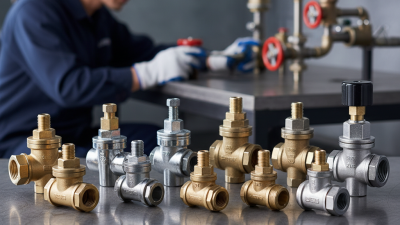
Richard Smith, an LPG systems engineer, states, “A reliable gas valve begins with correct application, not attractive packaging.” That principle deserves attention. Service valves, excess-flow valves, pressure-relief valves, check valves, and automatic changeover valves serve different safety functions. They should never be selected as interchangeable parts. A compact brass valve may suit a domestic cylinder, while an industrial installation may require higher flow capacity and stronger environmental protection.
Standards also matter. Buyers should verify relevant approvals, such as EN, ISO, UL, ASME, or applicable national requirements. The exact requirement depends on the destination market and installation design. Product markings, batch traceability, test records, and documented material specifications provide useful evidence. Still, paperwork alone cannot confirm field performance.
This guide compares the best lp gas valve types for global buyers in 2026. It considers safety function, connection design, operating pressure, maintenance needs, and supply reliability. One detail is easy to miss. A valve that fits perfectly may still be unsuitable. Engineering review remains essential. The ranking may also change when regulations, fuels, or site conditions change. That uncertainty deserves honest attention.
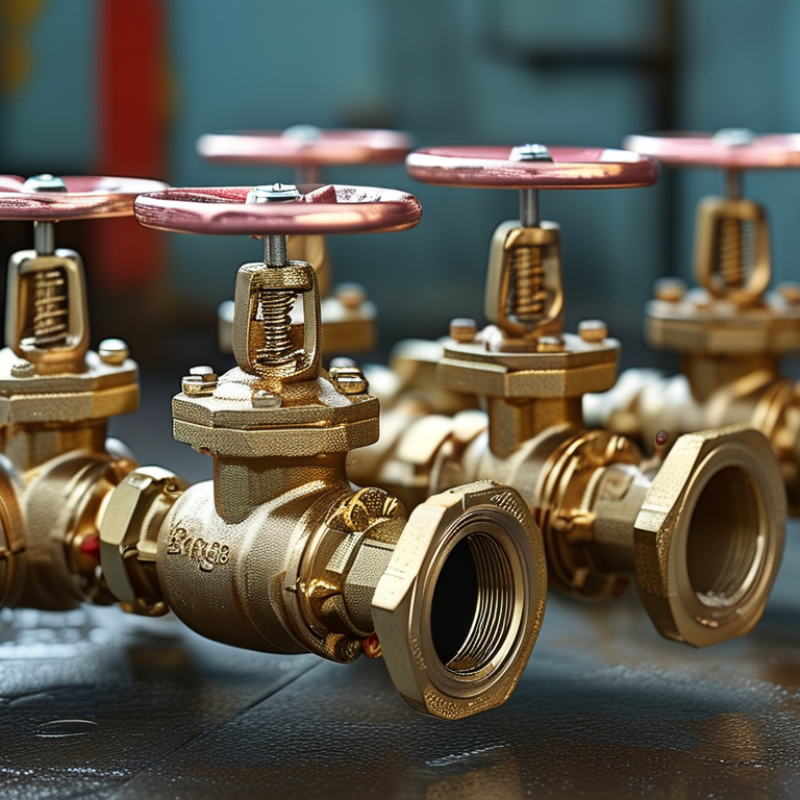
LP Gas Valve Basics: Functions, Materials, and Operating Principles
LP gas valves control, isolate, or regulate the flow of propane and butane. A shut-off valve stops gas quickly during maintenance or emergencies. Ball valves use a rotating bore for fast, low-resistance control. Globe valves offer finer adjustment but create more pressure loss. Excess-flow valves close when a sudden pipe break causes abnormal flow. Relief valves open when pressure rises beyond a safe limit.
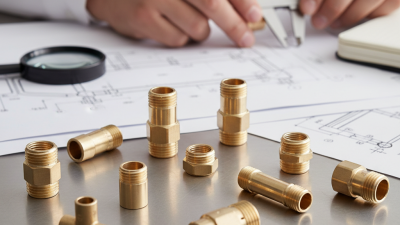
Materials affect service life and safety. Brass is common because it resists corrosion and machines easily. Stainless steel suits harsher environments and repeated outdoor exposure. Seals may use PTFE, nitrile rubber, or other compatible compounds. Their temperature and gas resistance must match the application. Inside a valve, pressure pushes against a ball, disc, or diaphragm. Turning a handle changes the passage area. In a regulator, a spring and diaphragm balance outlet pressure automatically. Small errors in sizing can cause unstable pressure. That detail is often underestimated.
Tips: Check gas compatibility, pressure range, temperature limits, and connection standards before purchase. Inspect threads, seals, and valve movement without forcing the handle. Confirm required testing and certification for the installation country. Field inspections often find dirt around the seat or a damaged seal. Clean parts help, but replacement is sometimes safer. A perfect valve choice rarely exists; actual operating conditions should guide the decision.
Main LP Gas Valve Types and Their Typical Applications
2026 Best LP Gas Valve Types for Global Buyers?
Main LP Gas Valve Types and Their Typical Applications
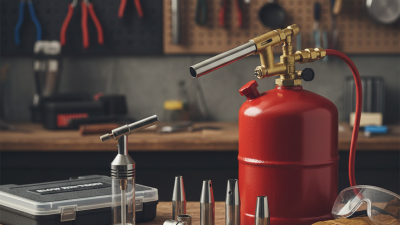
Choosing an LP gas valve starts with the application, not the catalog price. Cylinder valves control gas release from portable containers used for cooking, heating, and small industrial equipment. They often include excess-flow protection, which limits discharge after a damaged connection. Small details matter.
Service shutoff valves isolate fixed tanks, vaporizers, and building supply lines during maintenance. Ball valves are common because they open quickly and provide clear handle positions. Pressure relief valves protect containers from excessive internal pressure, especially during heat exposure. They must discharge safely and remain unobstructed.
Automatic changeover valves support dual-cylinder systems in homes, catering areas, and temporary work sites. They switch supply when one cylinder becomes empty, reducing interruptions. Regulators with integrated safety functions may suit low-pressure appliance connections, but compatibility must be verified carefully. Thread standards, materials, pressure ratings, and local certification requirements vary across markets. Do not assume one connection fits globally.
From practical inspection work, corrosion and poor sealing often cause more trouble than valve selection itself. A valve may look suitable yet fail after repeated outdoor exposure. Buyers should request test records, installation guidance, and clear maintenance intervals. Qualified technicians should confirm sizing and final installation.
“Best” is not universal. It depends on gas type, container design, operating pressure, climate, and the consequences of a supply interruption.
International Standards, Safety Features, and Certification Requirements
For global LP gas buyers, valve selection should begin with standards, not price. A ball valve offers simple isolation, while excess-flow valves limit gas release after hose damage. Pressure-relief valves protect systems during abnormal pressure increases. Automatic changeover valves support continuous supply, but they require correct regulator matching and testing.
International compliance is not one-size-fits-all. EN 16129 covers regulators, changeover devices, and associated safety requirements in many markets. ISO 15996 addresses excess-flow valves for LPG cylinders. Cylinder valves may also require ISO 15996-related testing, national conformity assessment, and traceable pressure tests. In North American projects, buyers often review requirements from NFPA 58 and applicable national certification bodies. Always confirm the destination country’s rules.
The safety need is substantial. The World Health Organization reports that about 2.3 billion people still use polluting cooking fuels. A leaking connection can turn a routine cylinder change into a serious hazard. Look for thermal shutoff, excess-flow protection, corrosion-resistant materials, and clear flow-direction markings. Certification should cover the complete valve assembly, not only one component. Ask for test reports, batch traceability, and installation instructions in the local language.
Field experience shows a recurring weakness: buyers sometimes accept certificates without checking their scope. That mistake is avoidable. Certification details can expire, vary by market, or exclude the final assembled system. Insist on documented compatibility with LPG composition, pressure range, temperature, and connection standard. Safety is rarely improved by choosing the cheapest valve.
2026 Best LP Gas Valve Types for Global Buyers
International standards, safety functions, and certification pathways
This indicative comparison maps common LP gas valve categories to major international safety and compliance references.
ISO 15996 covers excess-flow valves for LPG cylinders, EN 14129 covers pressure-relief valves for LPG pressure vessels,
EN 16129 covers LPG regulators and associated safety devices, UL 125 covers LP-gas regulators, and NFPA 58 provides installation and safety requirements.
Actual approval requirements depend on the destination market, product design, pressure rating, and installation application.
Installation, Inspection, Maintenance, and Replacement Guidelines
2026 Best LP Gas Valve Types for Global Buyers?
Installation, Inspection, Maintenance, and Replacement Guidelines
Global buyers should match each LP gas valve to pressure, gas composition, temperature, and connection standard. Common choices include manual shutoff, excess-flow, and pressure-regulating valves. A valve designed for one pressure range may fail in another system. Check the product markings, technical drawings, and certification documents before purchase.
Installation requires a qualified technician and strict compliance with local codes. Keep the valve accessible, correctly oriented, and protected from impact. Use approved seals and avoid forcing mismatched threads. Over-tightening is still a common mistake. It can distort the body or damage the connection. After installation, perform a controlled leak test with an approved detection method. Never use an open flame. Ventilate the area and keep ignition sources away.
Inspection should look for corrosion, dents, damaged handles, unusual odor, and loose fittings. A clean exterior does not prove internal reliability. Record inspection dates, test results, and operating conditions. Maintenance may include cleaning, tightening, or replacing external seals, but only when permitted by the technical instructions. Do not dismantle a pressurized valve. Replacement becomes necessary after persistent leakage, damaged threads, failed testing, or uncertain service history. Is the valve really compatible? Recheck the pressure rating, material, seal type, connection size, and regional approval before installation.