How to Choose the Right Propane Gas Valve for Your Needs?
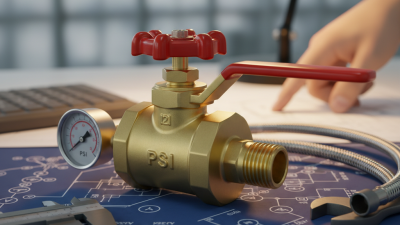
Choosing the right propane gas valve is crucial for safety and efficiency. Many factors influence this decision. Understanding your needs helps avoid potential hazards. A propane gas valve controls the flow of gas, making its selection vital for any gas-powered appliance.
You should consider various aspects. This includes the size, type, and application of the valve. Different valves serve different purposes. Misunderstanding these can lead to leaks or operational issues. Familiarity with the specifications can prevent mistakes. Experts often recommend consulting the manufacturer for precise requirements.
Quality is equally important. A reliable propane gas valve ensures long-term performance. Therefore, buying from reputable suppliers is essential. Consider warranties and customer reviews. This added insight builds confidence in your choice. Selecting the appropriate valve is not just about function; it's about ensuring your safety and peace of mind.
Understanding Propane Gas Valves: Types and Functions
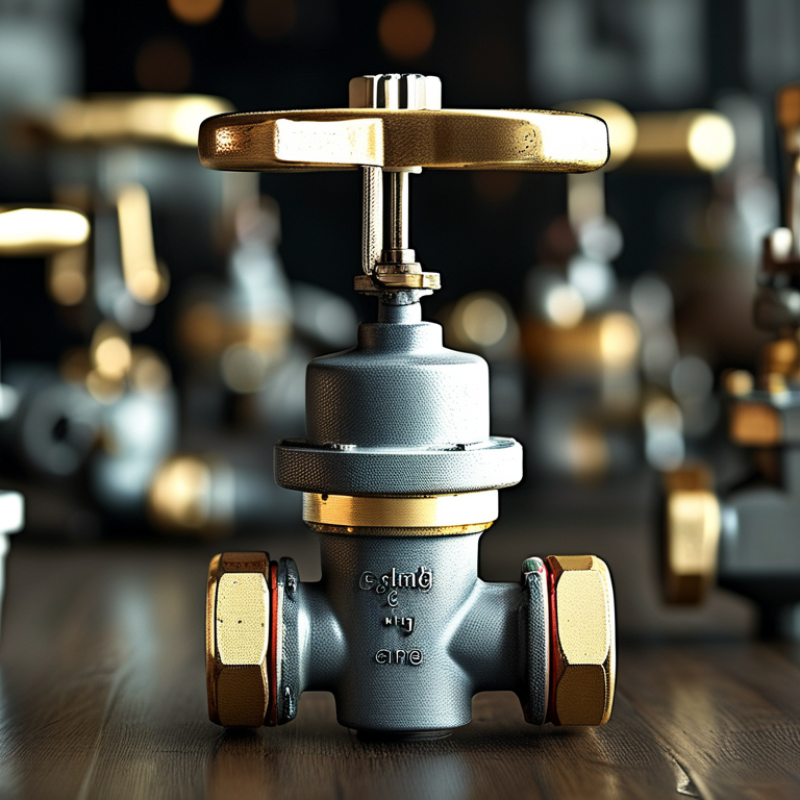
When selecting the right propane gas valve, understanding the types and functions is crucial. There are various valve types, each with unique applications. The most common types are shut-off valves, pressure regulator valves, and control valves. Shut-off valves provide an essential safety feature, allowing you to stop gas flow when needed. Pressure regulator valves maintain a consistent pressure level, ensuring safe and efficient operation. Control valves allow for fine adjustments, making them ideal for precise applications.
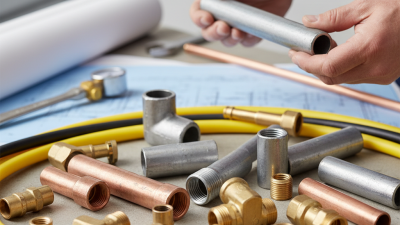
Each valve type has different materials and sizes. Stainless steel is popular for its durability, while brass offers a good balance between cost and performance. Choosing the right size prevents leaks and ensures compatibility with your system. Make sure to check the specifications when selecting a valve. Sometimes, users overlook minor details, leading to misfits or inefficiencies.
It's vital to consider local codes and regulations. Compliance with these standards ensures safety and reliability. Many people underestimate the importance of professional installation or advice. Consulting an expert can help you avoid costly mistakes. This attention to detail can make a significant difference in performance and safety over time. Be open to learning about your options; it can lead to better choices in the long run.
Key Factors in Selecting the Correct Size for Propane Gas Valves
Choosing the right propane gas valve is crucial for safety and efficiency. One of the key factors is the size of the valve. The size affects the flow rate and pressure regulation. Incorrect sizing can lead to hazardous conditions or inefficient systems. According to industry research, using the right valve size can improve system performance by up to 30%.
When selecting a propane gas valve, consider the flow capacity in relation to your system needs. Flow capacity should match the consumption rate of your appliances. For example, a typical outdoor grill may require a smaller valve compared to a commercial heater. It’s essential to calculate your maximum demand accurately.
For proper sizing, measure the length and diameter of the pipe leading to the valve. A typical guideline suggests that for most residential applications, a valve diameter between ½ inch and 3 inches is appropriate. However, overly large valves can complicate installation and may affect system efficiency. Always consult technical specifications when in doubt.
Remember to check for compatibility with the type of propane being used. This detail can be overlooked, leading to performance issues. A small adjustment in size can significantly impact the safety and effectiveness of your propane system. Always keep safety first when choosing the right valve for your needs.
Choosing the Right Propane Gas Valve: Key Factors by Size
Material Considerations: Brass vs. Plastic in Valve Durability
When selecting a propane gas valve, consider the material carefully. Brass and plastic are two main options, each with distinct advantages and drawbacks. Brass valves are known for their durability. They resist corrosion and can handle high pressures. This makes them suitable for critical applications where reliability is paramount. However, they tend to be heavier and may require more effort during installation.
Plastic valves, on the other hand, are lightweight and often cheaper. They can be effective for lower-pressure systems or applications requiring less durability. Yet, they might not withstand extreme temperatures or heavy-duty use. Users may find themselves replacing plastic valves more frequently, which could lead to higher long-term costs. Both materials present trade-offs. It's essential to evaluate the specific needs of your setup, including pressure requirements and environmental factors, before making a final choice. Think through these aspects to avoid costly mistakes down the line.
Safety Standards and Compliance for Propane Gas Valves
When selecting a propane gas valve, understanding safety standards is crucial. Regulatory bodies, such as the National Fire Protection Association (NFPA), set guidelines to ensure safe usage. For instance, NFPA 58 provides essential codes for storage and handling, impacting gas valves directly. Compliance with standards helps prevent leaks and explosions, which can arise from faulty valves.
Quality propane valves often meet or exceed these safety standards. According to the American Gas Association, nearly 86% of propane accidents are linked to improper equipment use. This statistic underscores the importance of choosing the right valve. Safety features, like pressure relief mechanisms and automatic shut-off systems, are vital. They significantly reduce risks associated with propane storage and use.
While many valves meet general safety requirements, variations exist. Testing reports can reveal crucial information about a valve's performance under stress. Users should consider individual needs, such as pressure limits and installation environment. A valve suitable for one application may not perform well in another. Researching and reviewing safety compliance reports can help ensure a safe choice. Individual users have a responsibility to remain vigilant about valve conditions and compliance levels.
How to Choose the Right Propane Gas Valve for Your Needs? - Safety Standards and Compliance for Propane Gas Valves
| Feature |
Details |
Importance |
| Material |
Brass, Aluminum, or Plastic |
Durability and corrosion resistance |
| Size |
1/4", 1/2", 3/4", etc. |
Proper fit for your system |
| Pressure Rating |
Low, Medium, High Pressure |
Safety and efficiency in operation |
| Compliance Standards |
ASTM, ANSI, or UL listed |
Ensures safety and legal compliance |
| Actuation Type |
Manual or Automatic |
Ease of use and operational efficiency |
| Flow Control |
Full Flow, Adjustable Flow |
Control over gas supply |
| Temperature Rating |
-20°F to 150°F |
Performance under various conditions |
Common Applications of Propane Gas Valves in Residential and Industrial Use
Propane gas valves play a crucial role in various applications, both residential and industrial. In a home setting, propane valves are commonly used for heating, cooking, and powering appliances. They help control the flow of gas safely and efficiently. For example, in a furnace or a water heater, the right valve ensures that gas is delivered at the proper pressure. This function is vital to avoid leaks, which could lead to dangerous situations.
In industrial environments, propane valves are utilized for equipment like forklifts and generators. These applications require more robust valves that can withstand higher pressures and varying temperatures. It's important to select valves based on specific machinery needs. However, choosing the wrong valve can lead to inefficiency or even equipment failure. Users should consider the compatibility of the valve materials with the propane being used.
An effective propane valve ensures safety and enhances performance across applications. Regular maintenance is necessary to ensure reliability. Without proper upkeep, valves can deteriorate, leading to potential hazards. Therefore, understanding the application requirements and monitoring the condition of the valve is essential for anyone using propane systems.