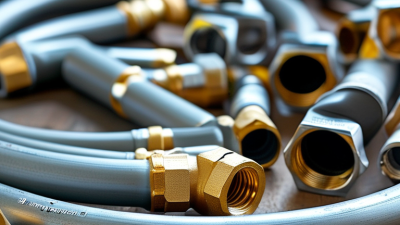
How to Choose the Right Gas Compression Fittings for Your Needs?
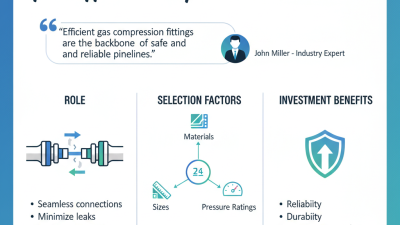
Selecting the appropriate gas compression fittings is crucial for efficient gas transport and safety. According to the Global Gas Fittings Market Report, the demand for durable and efficient fittings is projected to grow by 4.5% annually through 2025. Understanding the specifications and applications of gas compression fittings can help ensure system integrity and reduce potential failures.
A study by the American Society of Mechanical Engineers highlights that improper fitting choices are responsible for nearly 30% of reported gas leaks. Choosing the right materials and designs ensures compatibility with various gases. A broad range of options is available, from brass to stainless steel, each suited for different pressure requirements and environments. It's essential to evaluate these factors carefully to avoid costly mistakes.
While many suppliers offer varieties of gas compression fittings, not all meet industry standards. Verification of certifications is necessary for reliability. Reflecting on the need for better education in this area is vital, as many users still overlook essential criteria. Exploring diverse fitting options with a critical approach can lead to improved safety and effectiveness in gas applications.
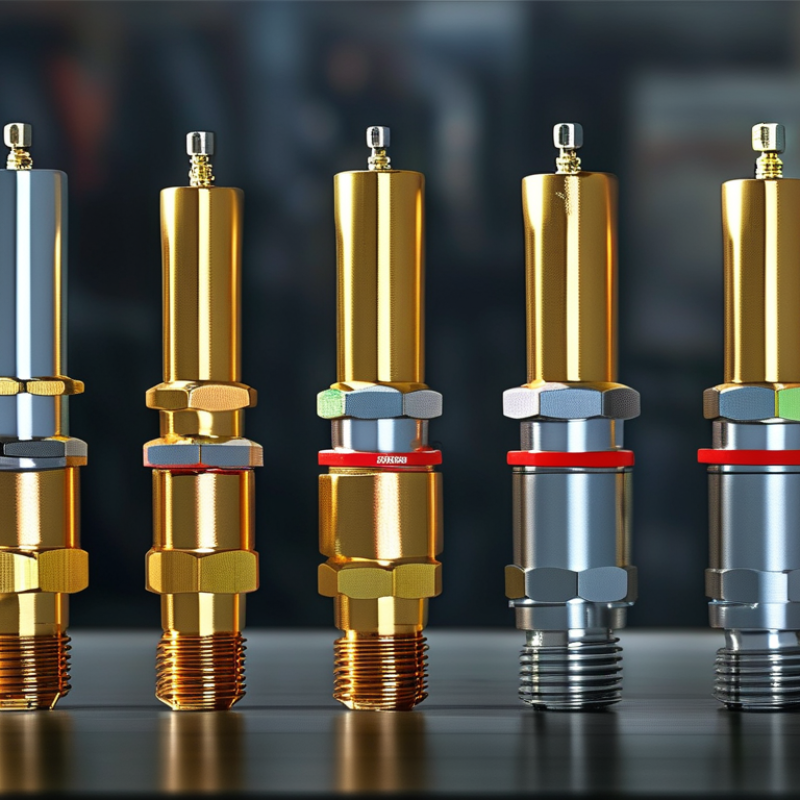
Understanding the Different Types of Gas Compression Fittings
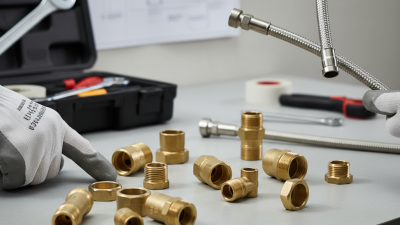
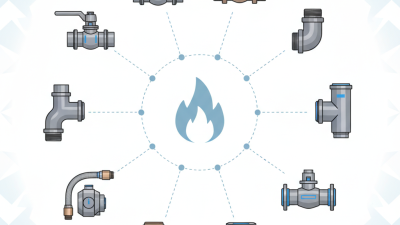
Choosing the right gas compression fittings involves understanding different types available in the market. Common types include ferrule fittings, flange fittings, and threaded fittings. Ferrule fittings are popular for their flexibility. They can adapt to various pipe sizes and shapes. Flange fittings provide a strong, leak-free connection. These are essential for high-pressure applications. Threaded fittings are simple but require careful installation. Their threads can wear over time, leading to leaks.
When selecting fittings, consider the application. Think about the gas type, pressure, and temperature. Compatibility is crucial. Mismatched materials can cause degradation or failure. Check the specifications before making a decision.
Certain tips can enhance your selection process. Always inspect fittings for damage before use. Even minor imperfections can compromise performance. Consider the operating environment. Extreme temperatures or exposure to chemicals can affect longevity. Reviewing installation procedures is wise. Following best practices can prevent future issues. Remember to reassess your choices regularly, especially as systems evolve.
Evaluating Materials and Durability for Compression Fittings
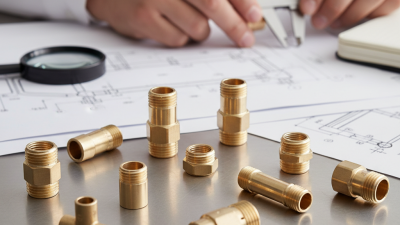
When selecting gas compression fittings, consider the materials and durability to ensure safety and efficiency. Common materials include brass, stainless steel, and plastic. Each has unique properties that affect performance. For example, brass is known for its excellent corrosion resistance and strength, making it a popular choice. According to the American Society of Mechanical Engineers, brass fittings can withstand high pressures and extreme temperatures, which is crucial for gas applications.
The durability of compression fittings is vital in preventing leaks and ensuring a long lifespan. Studies show that fittings made from high-quality materials can last over a decade under optimal conditions. However, low-quality fittings might fail in just a few years. Be wary of material defects. Even a minor flaw can lead to serious safety risks. Regular inspection and maintenance can pinpoint potential issues before they escalate.
Choosing the right materials can significantly enhance durability. Always check for industry certifications. Look for fittings that meet standards from reputable organizations. These certifications often indicate a higher level of quality and reliability. When in doubt, consult with experts to ensure you make informed decisions that will stand the test of time.
Assessing Pressure Ratings and Temperature Limits
When selecting gas compression fittings, understanding pressure ratings is crucial. These ratings determine how much pressure a fitting can handle safely. Exceeding these limits may lead to leaks or failures. High-pressure systems require fittings that can endure significant stress. It's essential to check the specifications carefully to ensure they align with your application's needs.
Temperature limits are just as important as pressure ratings. Different materials behave differently under varying temperatures. Some may become brittle, while others could expand too much. This can compromise the integrity of the fitting. For example, fittings used in extreme heat need to retain their strength. On the other hand, extremely cold conditions can cause certain metals to crack.
Be mindful of the environment in which the fittings will be used. Each setting might present unique challenges. A fitting that works well in one application may not be suitable for another. It's worth considering the long-term performance and reliability of your choices. Every detail matters when it comes to safety and efficiency.
Gas Compression Fittings Pressure Ratings and Temperature Limits
This chart demonstrates the pressure ratings and temperature limits of various gas compression fittings. It helps in assessing which fitting types are best suited for specific applications based on their pressure and temperature tolerances.
Matching Fittings to Your Specific Gas Type and Application
When selecting gas compression fittings, it’s essential to consider the specific gas type and application. Different gases have distinct properties that affect how they interact with materials. For instance, corrosive gases like hydrogen sulfide require fittings made from particular alloys or plastics. In contrast, inert gases such as nitrogen can use standard fittings without risk.
Application also plays a crucial role in this decision. High-pressure environments demand durability and reliability from your fittings. Fittings must handle the pressure without leakage or failure. Conversely, for low-pressure systems, you may prioritize cost-effectiveness over extreme durability.
Proper matching not only enhances safety but improves efficiency. Incompatible fittings can lead to failures, resulting in costly downtime or hazardous situations. Regular reviews of your fitting selection against operational conditions are a wise practice. This reflection helps ensure that choices remain suitable as systems evolve or change. Choose wisely, as the right fit makes a significant difference.
Installation and Maintenance Considerations for Gas Compression Fittings
When installing gas compression fittings, proper attention to detail is crucial. Ensure the fittings are clean and free from debris. Contaminants can lead to leaks or other issues. Align the fittings correctly before tightening them. Misalignment can stress the materials, leading to failure. Regular inspection after installation is essential. Look for signs of wear or damage.
Maintenance of gas compression fittings doesn't end with installation. Periodically check for tightness and inspect seals. A loose fitting can cause gas leaks, creating safety hazards. If you notice any degradation, replace the fittings immediately. Remember, using the right tools makes a difference. Proper wrenches or pliers can prevent overtightening and damage.
Keep in mind that environmental factors play a role in the longevity of these fittings. Extreme temperatures and exposure to corrosive substances can affect performance. Be mindful of the operating conditions throughout their lifespan. It’s vital to remain vigilant and proactive in maintenance practices. Don't overlook the importance of training staff on proper handling and installation techniques. Missteps in these areas can lead to costly mistakes.