How to Choose the Best LPG Hose Connector for Your Needs?
Choosing the right LPG hose connector can be challenging. With so many options, it is crucial to understand your specific needs. An effective connector plays a vital role in ensuring safety and efficiency.
Many people overlook the importance of the LPG hose connector's material and design. A durable connector prevents leaks and withstands high pressure. However, not every connector is created equal. Understanding the specifications is essential for optimal performance. Users often find themselves perplexed by technical jargon. It is okay to ask questions and seek guidance.
When you focus on the details, you improve safety and functionality. It’s essential to consider compatibility with your LPG systems. Ignoring this could lead to issues down the road. Take time to research reputable brands and read user reviews. Not all connectors are reliable, and finding the right one may take some effort. Your safety and efficiency should always come first.
Understanding LPG Hose Connectors: Types and Specifications
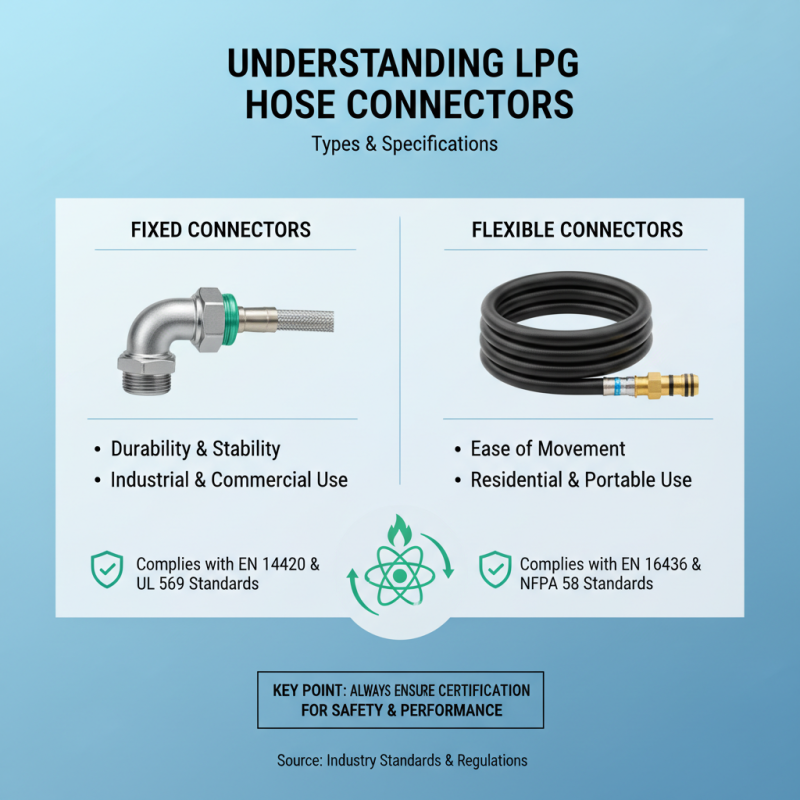
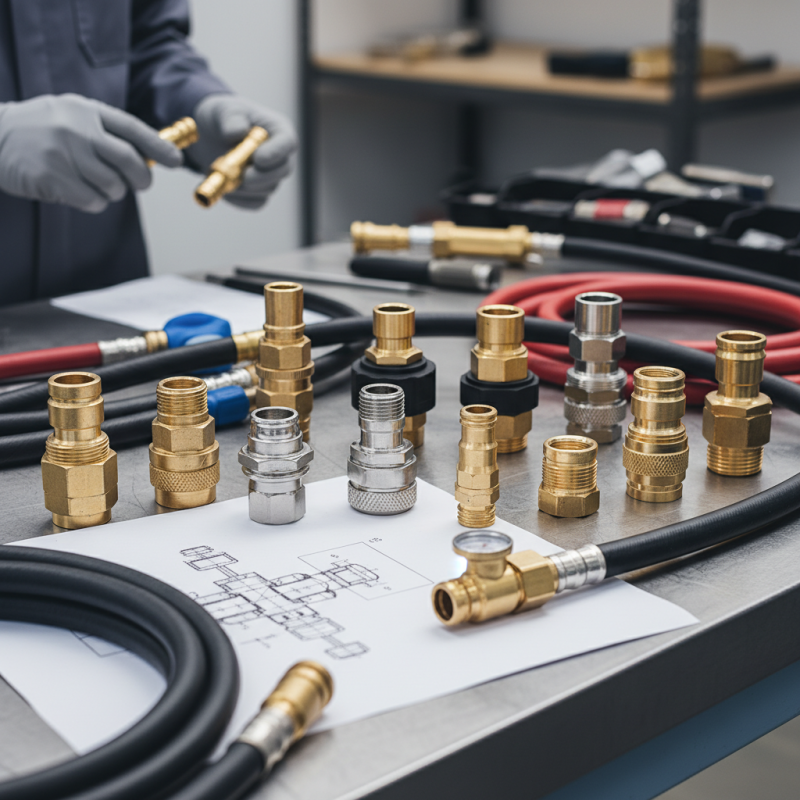
When selecting an LPG hose connector, it's essential to understand the various types available. There are two main categories: fixed and flexible connectors. Fixed connectors offer durability and stability. Flexible connectors provide ease of movement and installation. Both types must comply with specific industry standards to ensure safety and performance.
Specifications play a critical role in choosing the right connector. Most connectors are rated for specific pressure levels. For instance, many connectors function effectively at pressures ranging from 0 to 15 bar. The temperature rating is also vital; typically, connectors can handle a range of -20°C to 60°C. Studies show that improper specifications lead to dangerous leaks and system failures. In the LPG industry, an estimated 30% of incidents arise from incorrect equipment choices, emphasizing the importance of rigorous selection.
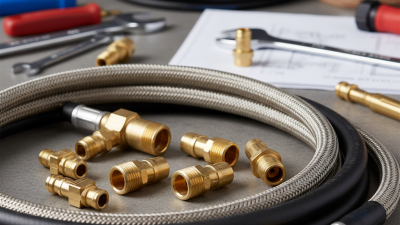
Often overlooked, material selection also affects connector reliability. Common materials include brass and stainless steel. Each material possesses unique properties. Brass connectors are more affordable but may corrode in certain environments. Stainless steel offers superior resistance to corrosion but comes at a higher cost. Evaluating the environment where the connector will be used can prevent future issues. Remember, a thoughtful approach to selection can enhance safety and efficiency in your LPG system.
Factors to Consider When Choosing an LPG Hose Connector
Choosing the right LPG hose connector is crucial for safety and efficiency. One important factor is the material quality. Connectors made from durable, heat-resistant materials can withstand harsh conditions and last longer.
You should also check if the hose connector has been tested for leaks and pressure, as a poor seal can cause dangerous gas escapes. Sometimes, cheaper options might seem appealing but may lack proper certifications or durability.
The compatibility of the connector with your existing LPG equipment is another key point. Different appliances may require specific thread sizes or types. Mismatched connectors not only cause installation issues but also increase the risk of accidents.
Pay attention to the flexibility and length of the hose; too short or too rigid hoses can limit ease of use or cause strain. It’s tempting to overlook these details, but they matter more than we often realize.
Regular inspection after installation is also necessary. Even good connectors can wear down or develop cracks over time due to heat, pressure, or external damage. Neglecting this might lead to unnoticed leaks.
It’s worth remembering that no connector is perfect forever, so routine maintenance is part of safe LPG use.
Safety Features to Look for in an LPG Hose Connector
When selecting an LPG hose connector, safety features are paramount. These connectors must be robust to prevent leaks. A quality connector will have reinforced materials. This durability helps to withstand high pressure during use. Look for connectors with proper certifications. This indicates they have met safety standards.
Another important feature is a secure locking mechanism. A reliable lock minimizes the risk of accidental disconnection. An easy-to-use design enhances safety during installation and removal. Consider connectors with visible indicators for proper alignment. This small detail can prevent user errors.
Regular inspection of your LPG hose connector is crucial. Check for wear and tear or any signs of corrosion. Over time, materials degrade, leading to potential hazards. Reflect on your connection method; improper usage can lead to disastrous results. Always prioritize safety over convenience. Be vigilant and informed about the tools you use.
Installation and Maintenance Tips for LPG Hose Connectors
When installing an LPG hose connector, proper technique is crucial for safety. According to the National Fire Protection Association (NFPA), about 50% of fires related to gas appliances result from improper connections. Ensure the hose connector you choose has a reliable sealing mechanism to minimize leaks. Tighten connections to the manufacturer's specifications, but avoid overtightening, which can damage components.
Regular maintenance is equally important. Inspect your LPG hose connector at least once a year. Look for signs of wear and tear, such as cracks or fraying. A study by the University of California found that nearly 30% of LPG hose failures occur due to age-related degradation. It’s essential to replace any worn-out parts promptly. Additionally, using soapy water to check for leaks can be an effective, low-cost method. If bubbles appear, it might indicate a serious issue needing immediate attention.
Finally, consider the environment where your connector will be used. Extreme temperatures can affect material durability. It’s a thoughtful practice to keep extra connectors on hand for quick replacements. Ensuring you have the right tools for installation and maintenance goes a long way in fostering a safe cooking environment.
How to Choose the Best LPG Hose Connector for Your Needs
This chart illustrates the key factors to consider when selecting LPG hose connectors, along with their importance rating on a scale from 1 to 10.
Comparing Prices and Brands: Finding the Right LPG Connector for You
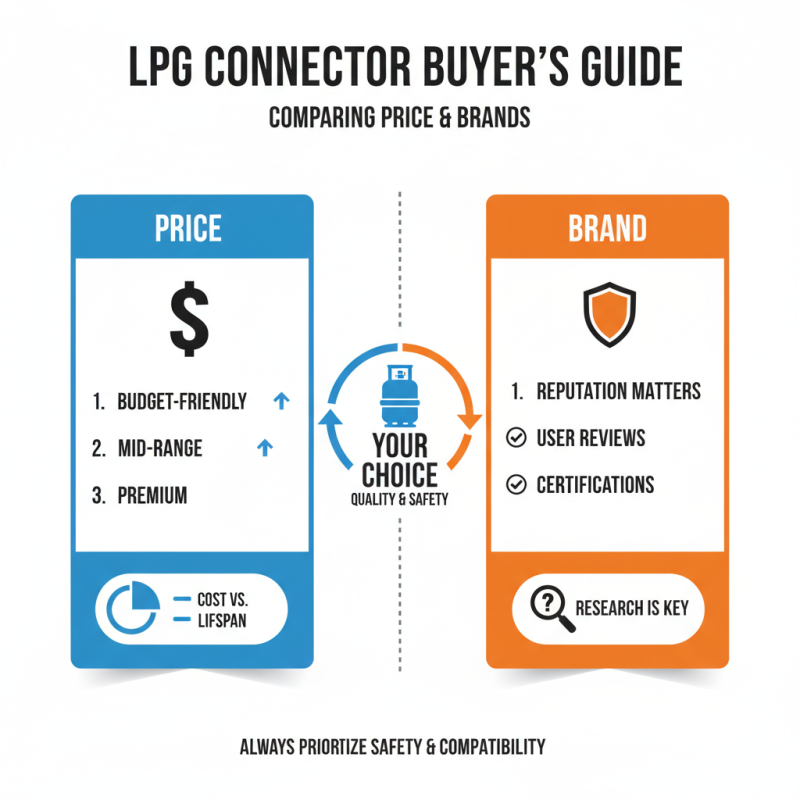
When searching for the ideal LPG hose connector, price and brand play critical roles. Understanding different brands helps you gauge quality and reliability. Many connectors vary in design and material, affecting their performance and lifespan. Choosing a well-reviewed brand can save you from potential hazards. However, not all popular brands meet expectations, so careful research is essential.
Comparing prices can reveal substantial differences. Some sellers charge premium prices for niche brands. Others may offer budget-friendly options that still meet safety standards. Look for connectors made from durable materials to ensure long-term use. It's wise to read customer reviews and be cautious of products that seem too cheap. These can often compromise safety or durability.
Finally, your needs significantly influence the type of connector you should choose. Consider the specifics of your setup. Will you use the connector frequently or occasionally? Will it be exposed to harsh environments? These questions guide you in finding the most suitable LPG hose connector for your situation. Sometimes, the cheapest option may not fulfill your requirements, leading to further expenses in the long run. Making an informed decision is crucial for both safety and effectiveness.