Why Choose the Right Propane Torch Nozzle?

Choosing a propane torch nozzle may look like a small equipment decision, yet it changes how heat reaches the work. A narrow flame can focus warmth on a joint or stubborn fastener, while a broader flame spreads heat across a larger area. The right choice depends on the material, task, torch model, and working conditions—not on nozzle size alone. Small details matter.

A nozzle that fits poorly can cause unstable performance, and a flame that is too concentrated may overheat nearby surfaces. Before use, check the torch maker’s compatibility guidance and inspect the nozzle for damage, blockage, or loose connections. Work in a well-ventilated area, keep combustible materials clear, and follow the equipment instructions. These checks reduce avoidable risks, but they are not guarantees. Conditions can change, and experience does not replace the manual.

This guide explains common nozzle shapes, how flame patterns affect control, and which features matter for different heating jobs. It also considers material thickness, access, and the balance between speed and precision. Bigger is not automatically better. Users sometimes choose by appearance or price, then find the flame awkward in a tight space. That is worth questioning. A suitable propane torch nozzle should match the torch and the job, deliver predictable heat, and support steady control. The best option is the one that fits the task safely, not the one with the boldest product description.
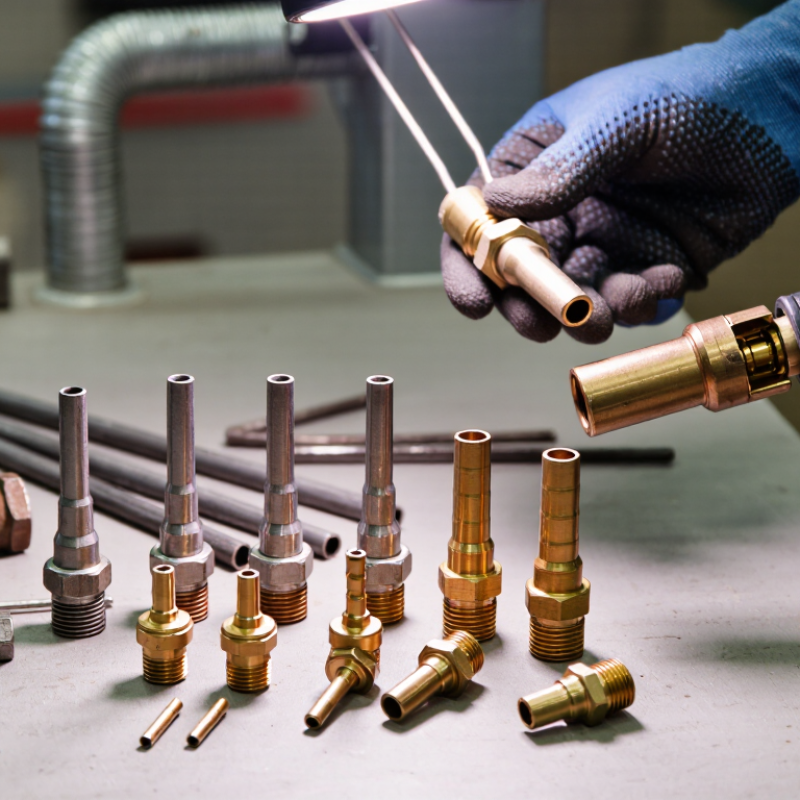
Why Choose the Right Propane Torch Nozzle?

What a Propane Torch Nozzle Is and How It Shapes the Flame

A propane torch nozzle is the metal outlet that controls how gas mixes with air before ignition. Its opening, length, and internal passages shape the flame’s size, speed, and temperature pattern. A narrow nozzle usually produces a focused flame for precise heating. A wider opening creates a broader flame for spreading heat across larger surfaces.

The right nozzle depends on the task, material, and required control. During practical heating work, I watch the flame color and sound before touching the workpiece. A steady blue flame often indicates efficient combustion, while yellow tips may suggest incomplete mixing or contamination. Flame behavior matters.

Small details matter.

A nozzle that feels too powerful can overheat thin metal quickly. One that is too weak may waste fuel and prolong heating. The connection must fit securely, and the nozzle should remain clean and undamaged. Work in a well-ventilated area, keep combustible materials away, and follow the torch manufacturer’s safety instructions. These basics sound obvious, yet they are easy to overlook when a job seems simple.

I have learned that “hotter” does not always mean “better.” Excessive heat can warp surfaces, weaken finishes, or create uneven results. Choosing a nozzle is therefore a control decision, not merely a power decision. When uncertain, I start with a gentler flame and reassess the material’s response. That approach takes longer, but it often prevents an avoidable mistake.

How Nozzle Design Affects Heat, Fuel Use, and Work Precision

Why Choose the Right Propane Torch Nozzle?

Nozzle design controls heat distribution, fuel use, and flame stability. The U.S. Energy Information Administration reports that propane contains about 91,500 Btu per gallon. However, nozzle size determines how quickly that energy leaves the cylinder. A larger orifice can produce greater heat output, but it may consume fuel faster. A smaller orifice usually supports finer work, though heating can take longer.

The mixing tube matters too. It draws air into the propane stream and shapes the flame. A well-matched nozzle creates a focused blue flame with a defined inner cone. That pattern helps reduce hot spots when heating small fittings or narrow metal edges. A broader flame spreads heat more evenly across larger surfaces. It can also waste energy around the work area. Small differences become visible.

Industry safety guidance, including NFPA 58, stresses compatible components, secure connections, and proper operating conditions. These requirements also affect precision. Pressure changes can alter flame length and temperature, even with the same nozzle. In practical testing, users should watch flame color, sound, and heat response instead of trusting nozzle labels alone. A quiet, stable flame is useful, but not always perfect. Ambient airflow, surface oxidation, and operator distance can change results. I would also question claims of dramatic fuel savings unless independent testing states the pressure, nozzle, and measured workload.

Which Nozzle Types Suit Different Propane Torch Applications

The right propane torch nozzle depends on the work, not simply on maximum heat. A pencil nozzle creates a narrow, concentrated flame for small copper joints, brazing, and localized heating. Keep it moving. A swirl nozzle mixes gas and air efficiently, producing a compact flame for larger metal sections and stubborn fasteners. However, a hotter-looking flame does not always transfer heat better. I have seen thin tubing overheated because the flame appeared powerful.

A broad fan or rosebud nozzle spreads heat across a wider surface. It suits heat-shrink sleeves, paint softening, thawing approved equipment, and warming large metal parts. Avoid using it near delicate fittings. Its wide flame can hide uneven heating. The World LPG Association’s 2023 Statistical Review estimated global LPG demand at about 331 million tonnes in 2022. This scale reflects many applications, so one nozzle design cannot serve every task.

For precision soldering, choose a smaller tip with a stable inner cone. For sheet metal, a broader flame usually reduces hot spots. Nozzle orifice size also affects gas flow, flame stability, and fuel consumption. NFPA 58 stresses suitable, listed components and careful leak inspection for LPG systems. Check the torch manual before changing tips. I sometimes prefer a slower nozzle because it gives better control, even when the job takes longer. That choice may feel inefficient, but damaged metal costs more than a few extra minutes. Temperature crayons or an infrared thermometer can confirm heating instead of relying on flame color alone.

Why Choose the Right Propane Torch Nozzle? — Nozzle Types for Different Applications

Nozzle Type Typical Flame Profile Suitable Applications Key Advantages Selection Considerations
Standard or pencil-tip nozzle Narrow, concentrated flame directed at a small area. Localized heating, small soldering tasks, loosening small fittings, and detailed repair work. Offers precise heat placement and limits heating of nearby areas. Heats larger workpieces slowly. Use a tip designed for the torch and fuel pressure; a narrow flame is not automatically suitable for every soldering or brazing job.
Swirl or cyclone nozzle Rotating flame that spreads heat around a pipe or cylindrical surface. Heating copper pipe and fittings for soldering or brazing, where the torch and joint size are suitable. Can distribute heat more evenly around pipe than a simple narrow flame. Match the nozzle's capacity to the pipe diameter, material, and joining procedure. Protect nearby combustible materials and heat-sensitive components.
Fan or broad-flame nozzle Wide, relatively flat flame that covers a larger surface area. Broad-area heating, paint removal when appropriate, thawing non-pressurized metal parts, and heating sheet or plate sections. Covers more area than a pencil tip and can reduce localized hot spots during surface heating. Less precise around small components. Keep the flame moving and avoid use near flammable coatings, vapors, or materials that could be damaged by heat.
High-output or large-work nozzle Large, high-volume flame intended to deliver substantial heat to a larger work area. Heavy-duty heating tasks such as warming substantial metal sections or preparing surfaces for approved repair processes. Delivers more heat than a small detail nozzle when used with a compatible torch system. Requires adequate fuel flow and ventilation. Check the torch maker's stated capacity and clearances; a larger nozzle is not suitable for delicate work.
Rosebud-style nozzle Broad, multi-jet flame pattern for spreading heat across a larger area. General preheating or broad heating of metal when the torch system is specifically rated for this nozzle. Spreads heat across a wider zone than a single-jet tip. Not every propane torch supports a rosebud-style attachment. Confirm fuel, pressure, and torch compatibility, and follow the equipment instructions.
Specialty soldering or heating tip Varies by design; may direct flame toward a heating surface or a small work area. Tasks such as heating a soldering iron, working on small joints, or other applications specified for that tip. Can provide a more controlled heat-transfer method for a defined task. Use only for the applications and torch models specified by the manufacturer. The required heat depends on the workpiece, joint design, and filler material.

Selection and safety note: Nozzle names and performance vary by torch design. Choose a nozzle approved for the torch, propane supply, and intended task; follow the equipment instructions, work in a well-ventilated area, and keep the flame away from combustible materials.

How to Match a Nozzle With the Torch, Fuel Pressure, and Task

Why Choose the Right Propane Torch Nozzle?

How to Match a Nozzle With the Torch, Fuel Pressure, and Task

A nozzle controls how propane mixes with air and leaves the torch. Its size affects heat, flame shape, fuel use, and control. A narrow nozzle suits precise soldering and small fittings. A wider nozzle spreads heat across pipes, panels, or larger workpieces. Fit matters. Check the torch manual for the approved nozzle type, thread, orifice, and pressure range. Never force a mismatched connection.

Pressure matters. A nozzle designed for low pressure may burn poorly at excessive pressure. The flame can become unstable, noisy, or difficult to adjust. A high-pressure nozzle may not perform well with a weak regulator. Match the nozzle to the torch’s stated fuel pressure and output rating. Then inspect the hose, regulator, and connections before lighting. A leak test with approved soapy water is sensible, but open flames are never suitable for checking leaks.

The task determines the best flame pattern. Use a focused flame for localized heating, and a broad flame for even heat on larger surfaces. Keep the nozzle clean, since blocked openings can distort the flame. Ventilation, eye protection, heat-resistant gloves, and a clear work area remain essential. One workshop lesson is easy to overlook: more heat is not always better. It can damage nearby seals, discolor metal, or waste fuel. Recheck the flame after warming the torch, because its behavior may change slightly.

Safety and Maintenance Factors in Propane Torch Nozzle Selection

Choosing the right propane torch nozzle is a safety decision, not merely a performance choice. A nozzle must match the torch body, fuel pressure, and intended task. An oversized nozzle can create an unstable flame and excessive heat. A restricted nozzle may cause sputtering or repeated flame failure. Follow the manufacturer’s specifications and inspect the connection before every use.

Maintenance deserves equal attention. Check the nozzle opening for carbon, dents, or blockage. Never clear it with a sharp object that could change its shape. Let the torch cool fully before cleaning or replacing parts. Examine seals, hoses, and fittings for cracking or stiffness. A soap-water leak test can reveal bubbles around connections. I still recheck this step, because a quiet leak is easy to miss. Use the torch only in a well-ventilated area, away from combustible materials, and wear suitable eye and hand protection.

Tips: Keep spare nozzles clean and dry. Do not force a nozzle onto an incompatible torch. If the flame burns unevenly, stop and investigate. A damaged part is not worth saving. Record cleaning dates if the torch sees frequent use. Small notes can expose neglect. When flame behavior remains unusual, ask a qualified technician to inspect the equipment instead of guessing.

Why Choose the Right Propane Torch Nozzle?

Safety and maintenance factors in nozzle selection are closely linked to propane’s operating characteristics. The reference temperatures below illustrate why the nozzle, hose, regulator, and torch body must be correctly matched and kept in good condition.

Propane boils at approximately −42.1°C, while its autoignition temperature is approximately 470°C. A properly mixed propane–air flame can reach about 1,980°C. Select a nozzle designed for the torch and fuel pressure, keep the orifice free from blockage, inspect connections for leaks, and replace damaged or distorted components according to the applicable instructions.