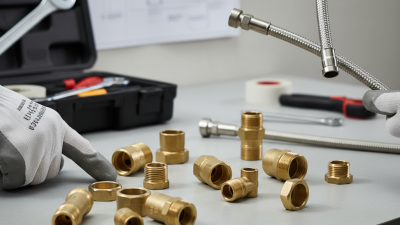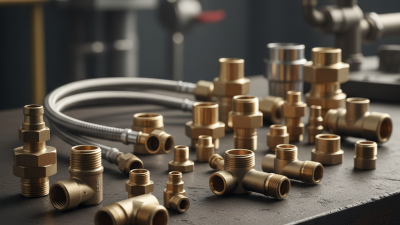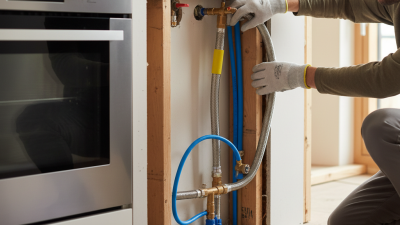
Gas fittings play a crucial role in various applications. They ensure safe and efficient gas flow in residential and industrial settings. Understanding these fittings can prevent potential hazards and improve system performance.
Many people overlook the details of gas fittings. They might focus on larger components while ignoring these essential parts. Each fitting serves a specific function, linking pipes and appliances seamlessly. Therefore, knowing their types and uses is important for anyone working with gas systems.
This article explores the top 10 essential gas fittings you should know about. From valves to connectors, we’ll cover key components that enhance safety and efficiency. Remember, understanding gas fittings is vital for both installation and maintenance.
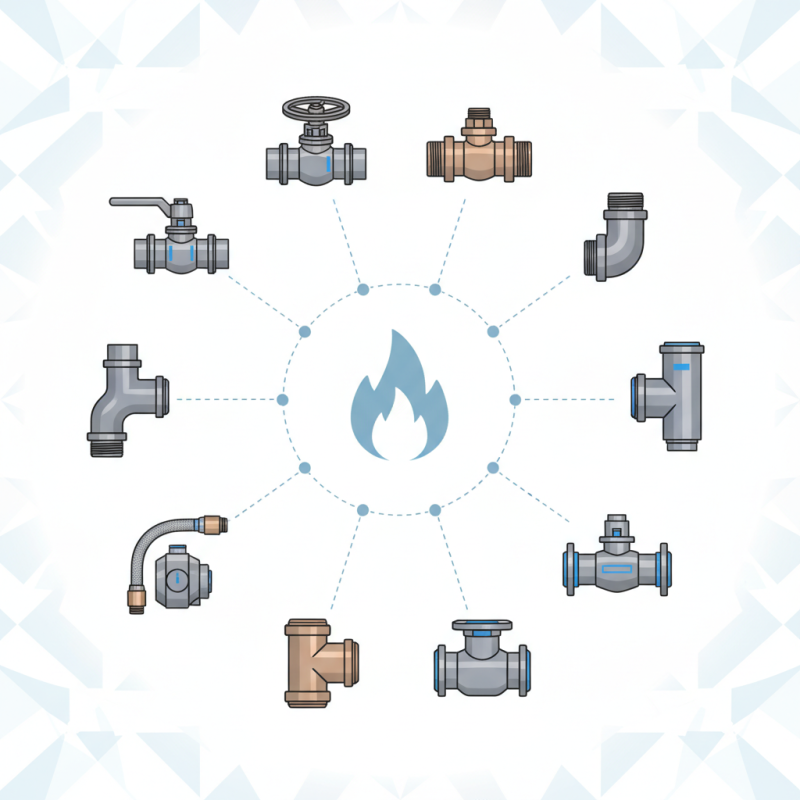
Gas fittings are crucial for providing safe and efficient connections in various systems. The most common types include couplings, elbows, and tees. Each fitting serves a specific purpose, ensuring gas flows smoothly and safely. According to industry reports, improper fittings cause approximately 20% of gas-related accidents. This indicates how essential it is to choose the right fittings.
When selecting gas fittings, material matters. Steel fittings are strong but can corrode. On the other hand, brass fittings are resistant to rust, making them a safer choice. Research from the Gas Safety Register reveals that systems with high-quality fittings have a lower failure rate. This is a signal that investing in reliable fittings pays off in the long run.
Despite improvements, there are still gaps in fitting installations. Many installations lack proper inspections. Data suggests that over 30% of fittings are incorrectly installed, leading to leaks and hazards. It's vital for professionals to double-check their work. Attention to detail can prevent dangerous situations and ensure long-lasting connections.
| Fitting Type | Description | Material | Usage |
|---|---|---|---|
| Elbow Fitting | Used to change the direction of gas flow. | Steel, Brass | Piping systems |
| Tee Fitting | Connects three sections of pipe at a right angle. | Copper, PVC | Branch lines |
| Union | Allows two pipes to be connected/disconnected easily. | Brass, Stainless Steel | Maintenance access |
| Reducer | Reduces pipe size from larger to smaller. | Steel, Copper | Pressure reduction |
| Cap | Closes the end of a pipe. | Plastic, Metal | End termination |
| Nipple | Short piece of pipe with threading on both ends. | Steel, Brass | Connecting fittings |
| Flex Connector | Allows for movement and vibration absorption. | Stainless Steel | Gas appliances |
| Ball Valve | Controls flow direction and can shut off gas. | Brass, PVC | Flow control |
| Check Valve | Prevents backflow of gas. | Brass, PVC | Safety mechanism |
| Flare Fitting | Provides a secure connection used in high-pressure lines. | Brass, Aluminum | High-pressure applications |
When working with gas installations, understanding gas fittings is crucial. Each type of fitting serves a unique purpose. For instance, a gas coupling connects two pipes securely, while a tee fitting allows for branching off into another line. According to industry reports, improper fittings account for nearly 30% of gas leaks in residential areas. This highlights the importance of choosing the right component for safety and efficiency.
Another common type is the elbow fitting, which changes the direction of the gas flow. Using the correct angles can significantly reduce pressure drops. Many times, technicians overlook this detail. A simple misalignment can lead to inefficient systems or even dangerous leaks. It's also worth noting that flexible gas connectors can make installations easier; however, they require careful handling. Reports indicate that improper installation can lead to safety hazards, impacting over 100,000 households annually.
Lastly, it is essential to recognize that fittings can wear out over time. Regular inspection is necessary, yet many professionals fail to do so. The National Fire Protection Association states that maintaining gas fittings can prevent about 20% of potential accidents. Therefore, continuous education and awareness in gas fitting functionalities are critical for all stakeholders.
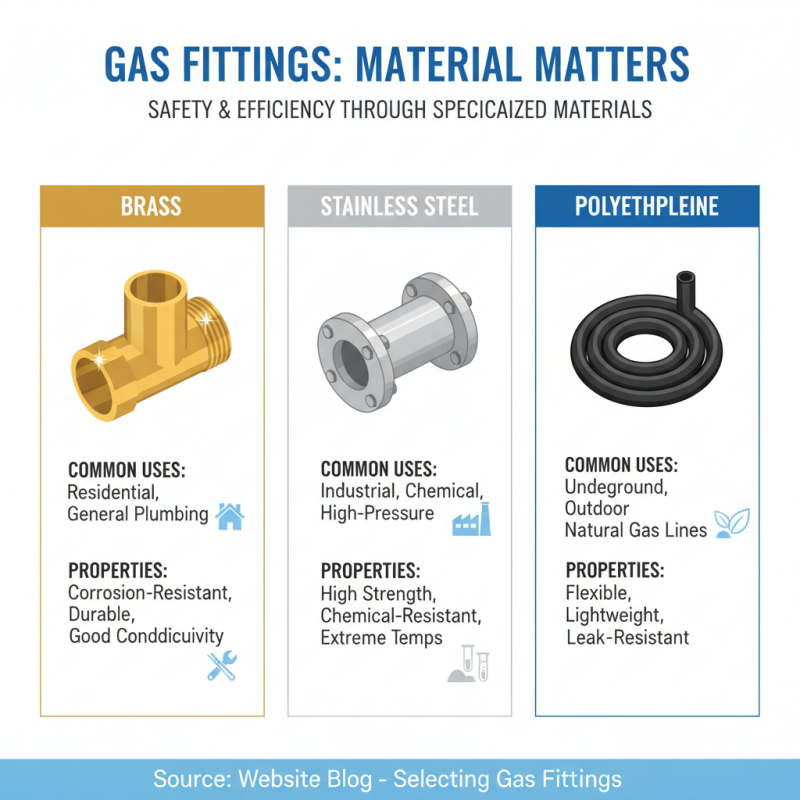
When selecting gas fittings, material matters significantly. Different applications require specialized materials to ensure safety and efficiency. Common materials include brass, stainless steel, and polyethylene. Each has unique properties suited for specific environments.
Brass fittings are durable and resistant to corrosion. They are ideal for indoor applications. However, they may not withstand external conditions. Stainless steel, on the other hand, provides superior strength. It is ideal for high-pressure situations. Yet, its higher cost can be a drawback.
Tips: Always check the pressure rating. Ensure it matches your application needs.
Polyethylene is lightweight and resistant to chemicals. It works well in low-pressure gas lines. However, it is sensitive to UV light. Use protective covers if exposed to sunlight.
Choosing the right material can prevent leaks and ensure longevity. Understand the environment before making a decision. Assess all aspects, not just the cost. This will save time and money in the long run.
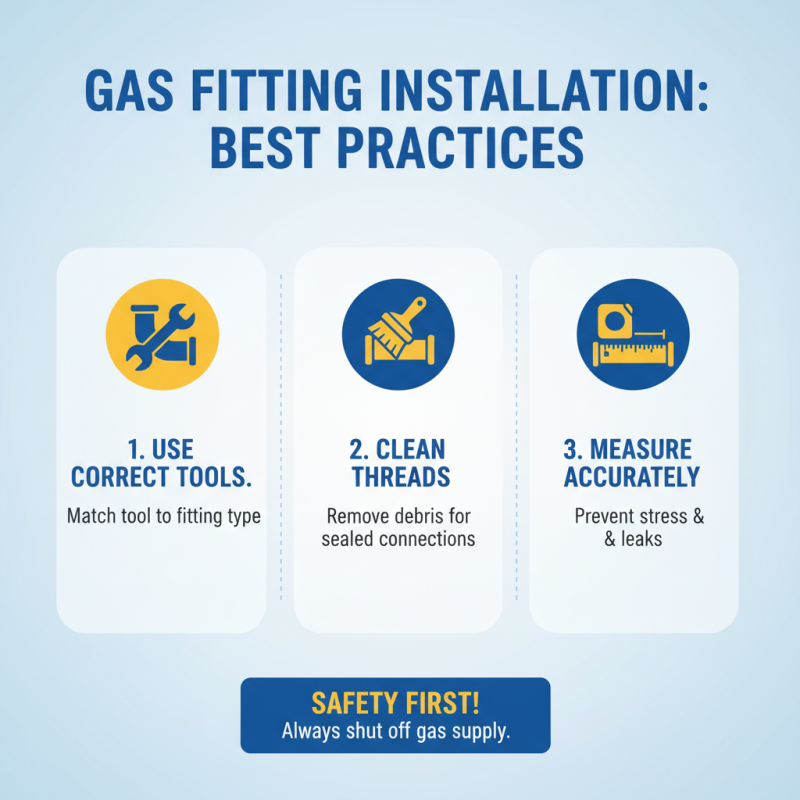
When installing gas fittings, proper technique is crucial. Use the right tools for each fitting type. Ensure that the threading is clean and free of debris. Dirty threads can lead to leaks. Take the time to measure accurately. Incorrect lengths can create stress on fittings, worsening potential issues.
Another essential aspect is sealing. Use appropriate sealants, ensuring they are compatible with gas systems. Both tape and liquid sealants can work well if applied correctly. Just a small error in this stage might lead to significant leaks. Test connections with a gas leak detector. This step can reveal issues early before any serious problems arise. Always prioritize safety during installation.
After installation, periodic inspections are essential. Look for wear and tear on fittings. Regular checks will prevent unexpected failures. Keep a record of all maintenance performed. It builds a clearer picture over time. Reflect on past installations. What went well? What could improve? Continuous learning helps ensure safer systems.
When dealing with gas fittings, understanding safety standards is crucial. Gas fittings must comply with strict regulations to ensure safety. These standards vary by location but often include requirements for materials and installation practices. For example, metal fittings must be corrosion-resistant. This is to avoid leaks and potential hazards.
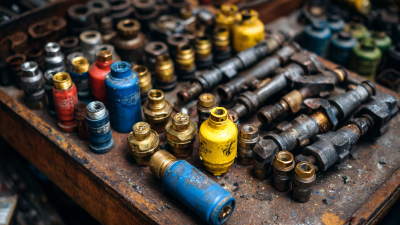
Regular inspections are recommended to maintain gas fittings. They can wear over time, particularly in high-stress environments. Signs of wear may include rust or discoloration. Visual checks every few months can help identify these issues early. Adhering to safety protocols protects not just equipment but lives as well.
Proper training is vital for those handling gas fittings. Workers must know the risks associated with gas leaks. Even minor mistakes can have serious consequences. Regular training sessions can refresh knowledge and inform about new regulations. Awareness of the environment and possible hazards is essential for everyone involved.