Top Tips for Choosing LPG Gas Pipes and Fittings?
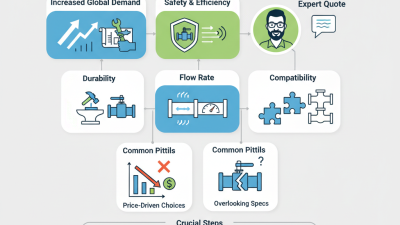
Choosing the right LPG gas pipes and fittings is crucial for safety and efficiency. Expert John Smith, a seasoned professional in the LPG sector, emphasizes, “Quality pipes and fittings are the backbone of any gas installation.” His advice underscores the importance of making informed choices.
LPG gas pipes and fittings vary widely in materials and specifications. Understanding these options can be overwhelming for many. Experts recommend prioritizing reliability when selecting products. Low-quality components might save money initially but can lead to costly repairs over time.
In a field where safety is paramount, even small details matter. Ensure compatibility with your LPG system to avoid dangerous leaks. Evaluating certifications and standards can help you avoid serious mishaps. Refining your selection process will make a significant difference. It's vital to remember that cutting corners can jeopardize both safety and performance.
LPG Gas Pipe Material Selection: Understanding Properties and Standards
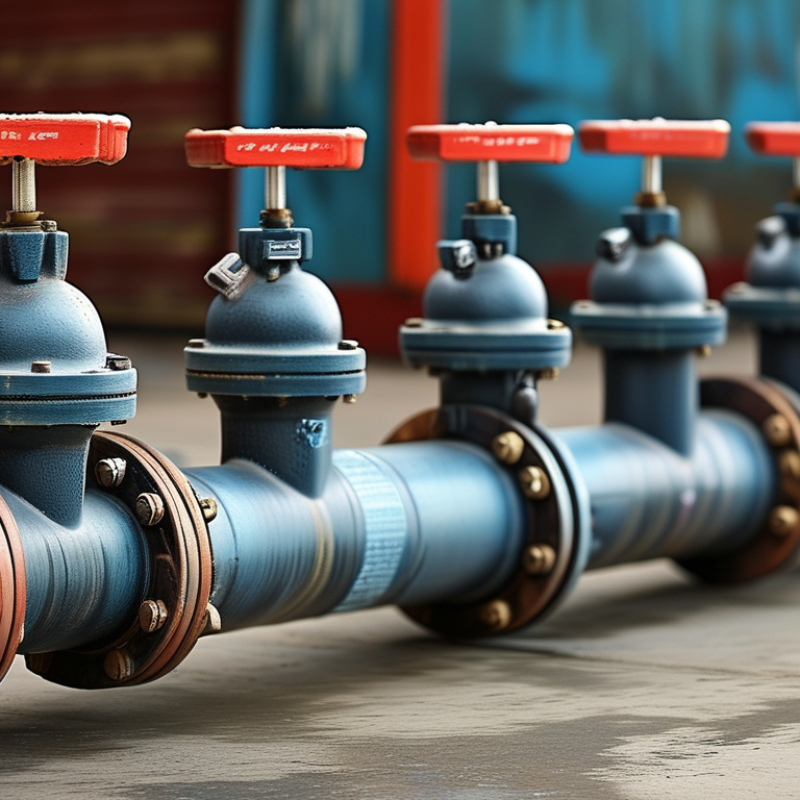
When selecting LPG gas pipes and fittings, material choice is crucial. Common materials include polyethylene (PE), steel, and copper, each with unique properties. PE offers lightweight flexibility and resistance to corrosion. Steel, while heavy and robust, is ideal for high-pressure systems. Copper provides excellent thermal conductivity but may be prone to corrosion without proper treatment.
When considering industry standards, materials must comply with safety regulations such as those from the National Fire Protection Association (NFPA) and the American National Standards Institute (ANSI). Reports indicate that improper material selection contributes to nearly 30% of gas-related incidents. This highlights the need for diligence in choosing the correct material for any project.
Installers often overlook joint integrity and proper sealing techniques. A poor connection may lead to leaks, posing safety risks. Using fittings that match the pipe material is essential, as mismatched materials can weaken joints. Ensuring compliance with local codes is also vital. Regular inspections can prevent poor performance and ensure that installations remain safe and efficient over time.
Key Factors in Determining LPG Pipe Sizing for Safety and Efficiency
Choosing the right LPG gas pipes and fittings is crucial for safety and efficiency. When selecting these components, pipe sizing plays a significant role. A well-sized pipe ensures that gas flows smoothly, minimizing pressure drops. This is vital for both performance and safety.
Several factors determine the appropriate pipe size. The demand for gas appliances is key; higher demand requires larger pipes. Also, consider the distance from the gas source to the appliance. Longer distances often need thicker pipes to maintain pressure. Always consult local regulations for specific requirements.
Another important aspect is the material of the pipe. For LPG, materials like copper and polyethylene are commonly used. Each offers unique benefits. For instance, copper is durable, while polyethylene is lightweight and resistant to corrosion. Be mindful of potential site conditions that may lead to wear and tear. Check for any signs of damage regularly. Overlooking these details can lead to safety hazards down the line.
The Importance of Pressure Ratings in LPG Gas Fittings and Components
When selecting LPG gas fittings, understanding pressure ratings is crucial. Pressure ratings indicate how much pressure the fittings can safely handle. For LPG systems, common pressure ratings range from 1 bar to over 10 bar. This range is essential because using fittings with a lower rating than required can lead to dangerous leaks.
Choosing the right materials is equally important. Copper and stainless steel are frequently used because they can withstand high pressure. However, many fittings are made of plastic, which can have lower pressure thresholds. Always check manufacturers' specifications to ensure safety. Reports suggest that over 30% of gas-related incidents stem from improper fittings.
One tip is to always match the pressure rating of the fitting with the system's maximum pressure. Another tip is to inspect the fittings regularly. Look for signs of wear or damage that could compromise safety. Remember, regular maintenance can significantly reduce risks. Don't take shortcuts. Always prioritize safety over convenience when it comes to LPG systems.
Inspecting and Testing LPG Gas Pipes: Best Practices for Reliability
Inspecting and testing LPG gas pipes is vital for safety and performance. Regular inspections can help identify potential leaks or weaknesses. Technicians should check for visible signs of wear or corrosion. Small issues can escalate quickly. Timely detection is crucial.
One effective tip is to use a soap solution when checking fittings and joints. Apply it generously and watch for bubbles. If you notice any, that’s a clear indication of a gas leak. This simple procedure can save lives and prevent significant damage.
Beyond just visual inspections, pressure testing is also essential. Ensure that pipes withstand the required pressure without failing. Use appropriate methods and tools for accurate results. Inaccurate testing may lead to undetected vulnerabilities. Always document findings for future reference.
Regulatory Compliance for LPG Gas Installation: Codes and Guidelines
When it comes to LPG gas installations, regulatory compliance is crucial. Many regions have specific codes and guidelines governing the installation of gas pipes and fittings. The National Fire Protection Association (NFPA) outlines several standards that ensure safety and reliability in LPG systems. Something as simple as a poorly installed gas pipe can lead to serious hazards. Many accidents are traced back to non-compliance with these standards.
Understanding the local regulations is key. For example, in the United States, the NFPA 58 code covers liquefied petroleum gas. This code specifies the types of materials to use, including appropriate grades of pipes and fittings. Similarly, the International Organization for Standardization (ISO) has guidelines that many countries adopt. These regulations help standardize safety measures and protect both installers and end-users.
Choosing the right materials is just as important. Often, installers may overlook the need for corrosion-resistant fittings in their projects. Corrosion can lead to leaks, which is a major safety concern. A recent report indicated that nearly 30% of LPG-related incidents stemmed from material failures. Carefully adhering to these regulations not only enhances safety but builds trust within the community.
Top Tips for Choosing LPG Gas Pipes and Fittings