How to Use an LPG Gas Torch for Efficient Welding and Heating?
An LPG gas torch is a versatile tool, essential for welding and heating applications. Mastering its use can significantly enhance productivity in various projects. The LPG gas torch produces a high-temperature flame, making it ideal for tasks that require precision and efficiency. When handled correctly, it can cut, solder, and shape materials effectively.
However, using an LPG gas torch does come with risks. Safety precautions are paramount. Users must be aware of their environment and the materials they work with. One must also ensure proper ventilation to avoid the buildup of harmful gases. While the torch is powerful, it requires practice to handle effectively. Learning to control the flame is crucial for both safety and accuracy.
A skilled operator knows the nuances of the LPG gas torch. They understand the importance of maintaining the equipment. Regular checks and replacements of parts can ensure peak performance. Using this tool efficiently can make a significant difference in outcomes. Yet, it is essential to remain vigilant and adapt to challenges as they arise during use.
Understanding LPG Gas Torches: Function and Components
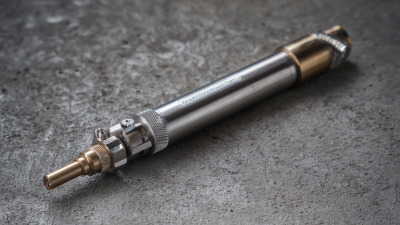
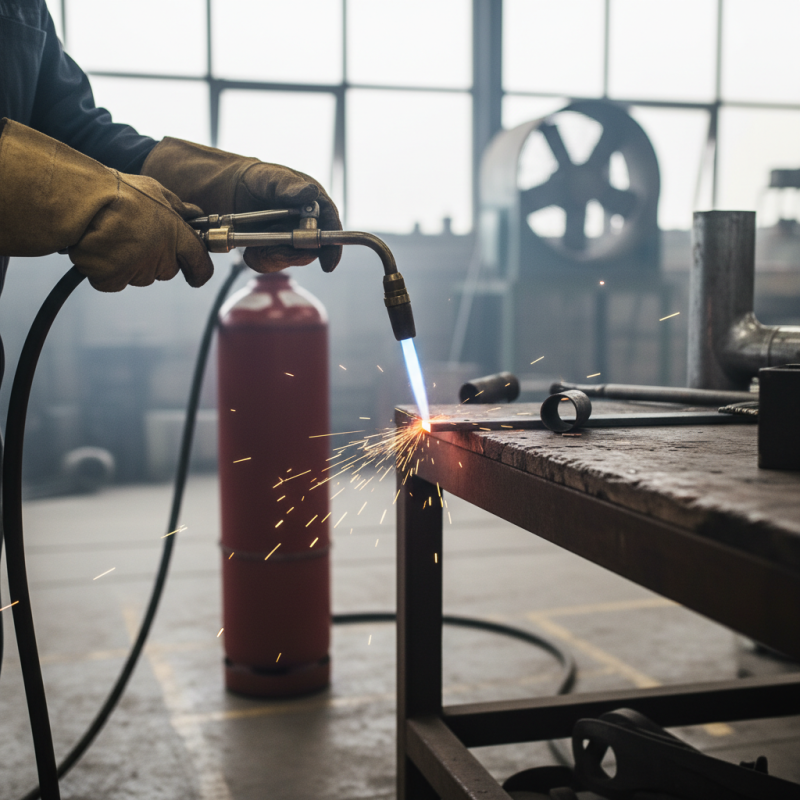
LPG gas torches are essential tools for welding and heating. Understanding their functions and components can enhance your efficiency. An LPG torch consists of a gas cylinder, a regulator, hoses, and a torch head. The gas cylinder stores the LPG safely. The regulator controls the gas flow. Proper connection of these components is crucial for safe operation.
When igniting your torch, always check for gas leaks. A quick smell test near connections can reveal leaks. Use soapy water to check for bubbles at the joints. A good practice is to inspect your equipment regularly. Replace any worn hoses or faulty regulators promptly.
For effective welding, adjust the flame to a neutral setting. This produces the hottest flame, ideal for melting metals. Keep your work area clear of flammable materials. Safety gear is vital. Gloves and goggles protect against burns. Investing time in understanding your LPG torch enhances your skills and ensures safety.
Preparing for Welding: Safety Gear and Workspace Setup
Preparing for welding with an LPG gas torch requires attention to safety gear and workspace setup. Start by ensuring your workspace is clean and organized. Remove flammable items and clutter. A tidy area minimizes hazards significantly.
When it comes to safety gear, choose protective clothing wisely. Wear flame-resistant clothing, gloves, and goggles. Use a welding mask with the correct shade to protect your eyes. Your skin should be fully covered. Small sparks can lead to burns, so don’t skip this.
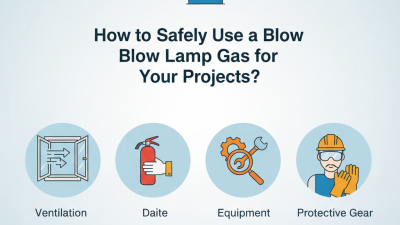
Tips for enhancing safety include checking your torch and hoses for leaks. Regular maintenance is crucial. Always keep a fire extinguisher nearby. Test its accessibility before starting your work. Having it on hand can save lives and property.
Additionally, ensure proper ventilation. Fumes generated can be harmful. Open windows or work outdoors if possible. This helps maintain air quality. Pay attention to your surroundings. Distractions can lead to mistakes. Focus on your task!
Mastering Techniques: Proper Torch Operation and Angling
When working with an LPG gas torch, mastering proper operation and angling techniques is crucial. A study published by the American Welding Society indicates that correct torch positioning can improve weld quality by 25%. Holding the torch at a slight angle of 30 degrees helps create a more efficient flame cone, optimizing heat distribution. This detail can prevent overheating or underheating the metal, which often leads to weak joints.
Understanding the flame characteristics is also essential. A neutral flame, achieved by balancing oxygen and LPG, is ideal for welding. However, many beginners mistakenly choose a carburizing or oxidizing flame, which can result in poor fusion and discoloration. It takes practice to refine these techniques. It’s important to revisit and adjust your grip and angle as needed, with regular assessments of your results. A consistent approach and patience lead to significant improvements over time.
Documentation from industrial practices emphasizes that even experienced welders should periodically evaluate their techniques. Adjusting angle and distance based on the material type can reduce defects. Continuing education and hands-on training are vital for honing skills. Regular practice with a torch ensures better control, enhancing overall efficiency.
Applications of LPG Gas Torches: Welding vs. Heating Tasks
Using an LPG gas torch can greatly enhance both welding and heating tasks. In welding, the torch provides a concentrated flame that melts metals quickly. This is essential for creating strong joints in metal fabrication. The welders appreciate the precise control over the flame temperature. However, achieving a perfect weld requires practice. Beginners may struggle with maintaining a consistent flame or proper distance from the workpiece.
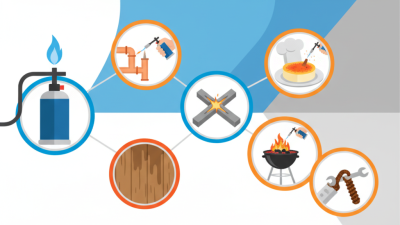
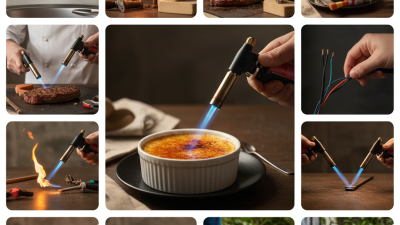
For heating tasks, LPG torches excel in heating surfaces efficiently. They are widely used for tasks like soldering, brazing, or even culinary applications. The adjustable flame allows users to heat specific areas without affecting surrounding materials. Yet, one must be careful; overheating can damage sensitive components. Common mistakes include underestimating the heat transfer or misjudging the flame intensity.
Both applications demonstrate the versatility of LPG torches. Users must understand their unique purposes and choose the appropriate settings. Experience plays a crucial role in mastering these techniques. Regular practice in varied tasks helps refine skills and improve results. Keep a close eye on safety measures; proper ventilation and protective gear are essential. Each experience offers valuable lessons, allowing users to grow in their welding and heating capabilities.
How to Use an LPG Gas Torch for Efficient Welding and Heating? - Applications of LPG Gas Torches: Welding vs. Heating Tasks
| Application |
Usage Task |
Recommended Torch Type |
Safety Tips |
| Welding |
Joining metals |
High-output LPG torch |
Wear protective gear, ensure proper ventilation |
| Heating |
Heat treating metals |
Medium-output LPG torch |
Keep flammable materials away, use a heat shield |
| Brazing |
Joining dissimilar metals |
Adjustable LPG torch |
Check connections before use, control flame size |
| Soldering |
Electrical connections |
Low-output LPG torch |
Use small flame, avoid overheating components |
| Glass Work |
Shaping and fusing glass |
Precision LPG torch |
Use protective eyewear, work in a safe area |
Maintenance Tips: Ensuring Longevity and Safety of Your Torch
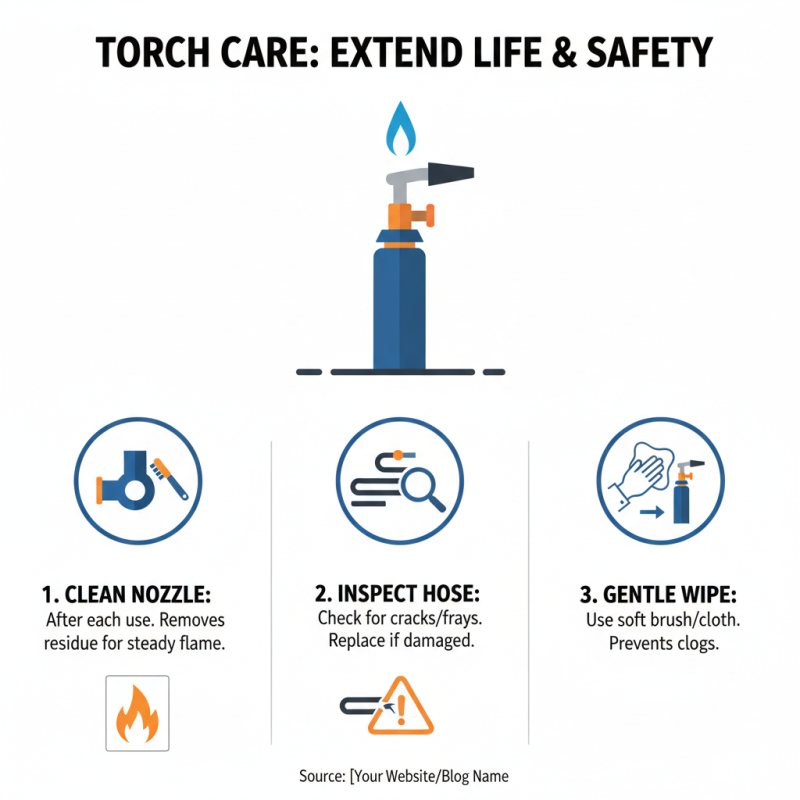
To ensure the longevity and safety of your LPG gas torch, regular maintenance is crucial. After each use, inspect the nozzle for any residue. A clean nozzle promotes efficient combustion. Dust and debris can lead to inconsistent flame patterns. Use a soft brush or cloth to gently clean it. Check the hoses for any signs of wear or leaks. Damaged hoses can pose safety hazards. If you notice any cracks or frays, replace them immediately.
Storing your torch properly is also essential. Keep it in a cool, dry place. Avoid direct sunlight that can degrade materials over time. Make sure the flame adjustment knob is turned off. This prevents accidental ignition. Regularly check fittings and connections for any signs of corrosion. Corrosion can weaken joints, leading to potential failures.
Be mindful of how you handle the torch. Always follow safety protocols. Use protective gear to avoid burns or inhalation of fumes. After extended use, allow the torch to cool down completely before storing. Taking these steps can prolong the lifespan of your torch, making it a reliable tool for your projects. Remember, meticulous attention to maintenance can prevent small issues from becoming major problems.