
China Top LPG Gas Connector Manufacturers and Suppliers?
Choosing among China’s top LPG gas connector manufacturers and suppliers requires more than comparing prices. Buyers need dependable materials, accurate dimensions, stable sealing performance, and clear technical documentation. A connector may look simple, yet a small thread mismatch can cause installation delays or dangerous leakage.
This guide examines how Chinese suppliers support LPG equipment manufacturers, distributors, and professional installers. It considers brass, stainless steel, rubber, and composite components, along with thread types, hose compatibility, pressure ratings, and corrosion resistance. Factory capability matters. So does quality control.
Experienced buyers should review production records, inspection methods, sample consistency, and after-sales communication. Useful evidence may include material certificates, pressure-test reports, batch traceability, and relevant quality-system certifications. Supplier audits can reveal practical details, such as clean assembly areas, calibrated gauges, and protected packaging. These details matter during long-distance shipping.
Not every large factory is the right partner. Some suppliers offer broad catalogs but limited customization. Others communicate well but provide weak documentation. That distinction deserves attention. Product claims should be checked against independent test results and the requirements of the destination market.
This overview presents a realistic framework for comparing China-based LPG gas connector manufacturers and suppliers. It also recognizes an uncomfortable point: product quality can vary between batches, even when samples appear excellent. Careful validation remains essential. Safety should never depend on assumptions.
What Are LPG Gas Connectors and Why Do They Matter?
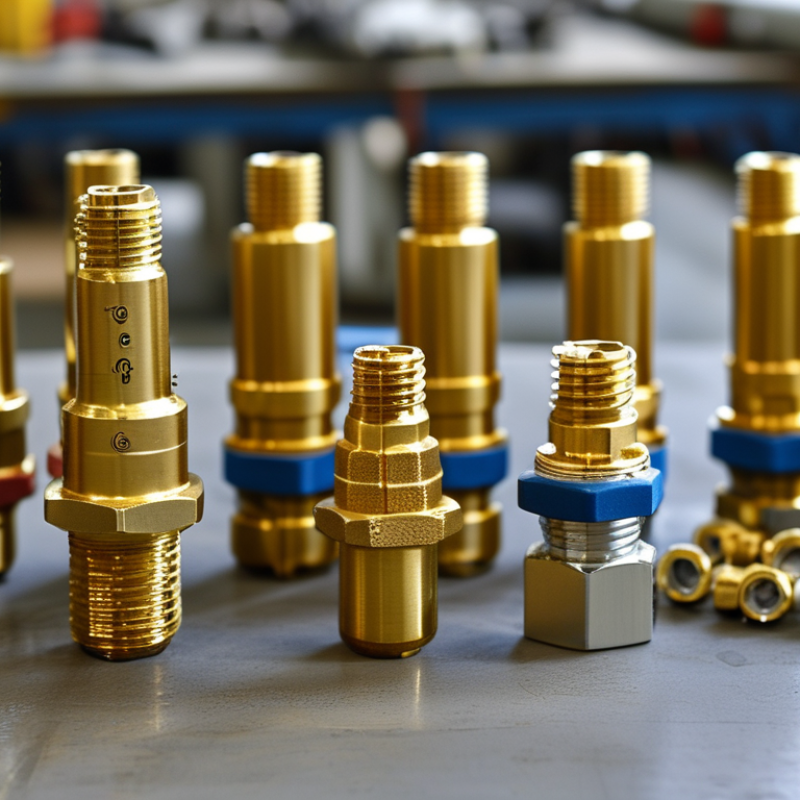
LPG gas connectors are flexible or rigid components that link a gas cylinder, regulator, appliance, or fixed pipe. They carry liquefied petroleum gas under controlled pressure. A reliable connector should resist heat, pressure changes, abrasion, and chemical aging. Its fittings must match the appliance and gas system precisely. A loose connection can cause leakage, fire, or equipment failure.
In practical inspections, examine the hose surface for cracks, swelling, stiffness, or faded markings. Check both ends for damaged threads and distorted seals. Never judge quality by appearance alone. Material composition, pressure ratings, production controls, and documented testing matter more. Experienced manufacturers and suppliers should provide traceable specifications, inspection records, and installation guidance. Local regulations also define acceptable materials and connection methods. These requirements vary by region.
Tips: Turn off the gas before inspection. Use approved leak-detection fluid around joints, never an open flame. Replace damaged connectors immediately. Keep hoses away from hot surfaces and sharp edges. Do not stretch or sharply bend them. A connector may look serviceable while its inner layer has weakened. That is easy to miss. Select suppliers that explain testing methods clearly, answer technical questions, and support proper replacement intervals. Supplier claims still need careful verification.
China Top LPG Gas Connector Manufacturers and Suppliers? - What Are LPG Gas Connectors and Why Do They Matter?
The following reference table summarizes common LPG gas connector categories, typical specifications, material options, safety functions, and key purchasing criteria used when evaluating suppliers.
| LPG Connector Type | Typical Application | Common Connection Configuration | Typical Materials | Typical Working Pressure | Temperature Range | Important Safety or Performance Feature | Relevant Standards or Verification | Recommended Supplier Data to Request |
|---|---|---|---|---|---|---|---|---|
| Low-Pressure LPG Hose Connector | Connecting a domestic LPG regulator to a cooker, heater, or other low-pressure appliance. | Hose barb, threaded outlet, or appliance-specific threaded connection. | Brass or plated steel fittings with LPG-compatible rubber or thermoplastic hose. | Commonly designed for low-pressure appliance systems; the exact rating must match the regulator outlet pressure. | Often approximately -20°C to +60°C, depending on hose and seal materials. | Gas-tight sealing, kink resistance, correct hose retention, and resistance to LPG permeation. | Applicable national appliance and hose requirements; pressure, leak, pull-off, and material-compatibility tests. | Hose ID, outlet thread, rated pressure, temperature range, minimum bend radius, test reports, and batch traceability. |
| LPG Pigtail Connector | Connecting an LPG cylinder valve to a regulator, changeover valve, or manifold. | One end connects to the cylinder valve; the other end commonly uses a threaded or flare connection to the regulator system. | Seamless copper tube, stainless steel, brass fittings, and LPG-resistant seals. | Commonly specified for cylinder-side service at the applicable cylinder pressure; the rating must be confirmed for the gas and service condition. | Typically selected for outdoor temperature exposure and local installation conditions. | Flexibility, vibration resistance, correct valve-side orientation, and secure sealing without over-tightening. | Applicable cylinder connector, hose, pressure-equipment, and installation standards in the target market. | Valve connection profile, working and test pressure, tube dimensions, bend-life results, seal material, and leak-test method. |
| High-Pressure LPG Hose Assembly | Transfer or connection between LPG cylinders, manifolds, filling equipment, and high-pressure components. | Threaded ends, flare ends, fixed swivels, or crimped end fittings. | Reinforced rubber, thermoplastic, or stainless-steel braided hose with brass or stainless-steel ends. | Must be selected according to the maximum cylinder or system pressure; high-pressure service requires a documented pressure rating. | Depends on the hose construction, commonly selected for approximately -40°C to +70°C service where required. | Reinforcement integrity, burst-pressure margin, abrasion resistance, and correct crimp dimensions. | Applicable LPG hose and pressure-service requirements; hydrostatic, burst, leakage, and flexing tests. | Working and burst pressure, hose construction, end-fitting dimensions, crimp specification, test certificates, and service life. |
| LPG Quick-Connect Coupling | Fast connection and disconnection of LPG equipment, temporary supply lines, or approved appliance assemblies. | Socket and plug with automatic or manual shut-off features. | Brass or stainless steel body, hardened locking components, and LPG-compatible elastomer seals. | Varies by design; the coupling rating must be equal to or greater than the connected LPG system pressure. | Commonly selected within an approximate range of -20°C to +60°C, subject to seal and body material. | Positive locking, accidental-disconnection prevention, low leakage, and shut-off when disconnected where designed. | Applicable quick-coupling, LPG appliance, and gas-installation requirements for the destination market. | Flow capacity, pressure drop, connection profile, locking method, seal compound, cycle test results, and leakage rate. |
| POL-Type Cylinder Connector | Connecting a regulator or hose assembly to LPG cylinders using a commonly used cylinder-valve outlet configuration. | Typically a threaded connector designed to mate with a compatible cylinder valve outlet. | Machined brass, plated brass, steel components, and replaceable LPG-compatible seals. | Selected for the cylinder-side pressure and the requirements of the destination country. | Determined by the cylinder installation environment and seal material. | Correct thread form, sealing surface condition, excess tightening prevention, and compatibility with the cylinder valve. | Destination-market cylinder valve and regulator requirements; dimensional and leak verification. | Thread dimensions, sealing method, compatible cylinder-valve profiles, torque limits, gauge inspection, and leak-test results. |
| ACME-Type LPG Connector | Connecting selected LPG cylinders or bulk-storage components where an external ACME thread is specified. | Large external thread with an internal sealing arrangement or integrated valve interface. | Brass, plated steel, stainless steel, and LPG-compatible elastomers. | Must be matched to the cylinder or storage-vessel connection and the approved transfer equipment. | Selected according to outdoor storage conditions, UV exposure, and seal performance. | Correct thread engagement, seal compression, valve compatibility, and protection against contamination. | Applicable cylinder, bulk-storage, and transfer-equipment regulations in the installation country. | Thread specification, mating component details, pressure rating, seal material, dimensional drawing, and compatibility declaration. |
| Flare LPG Connector | Rigid or semi-rigid tubing connections in regulators, manifolds, appliance lines, and distribution assemblies. | Flared tube end joined to a matching flare seat and nut. | Brass, copper, stainless steel, or other approved metallic tubing and fittings. | Depends on tube size, material, wall thickness, and system design. | Usually suitable for the temperature range of the selected tubing and sealing interface. | Metal-to-metal sealing, accurate flare geometry, correct torque, and resistance to vibration. | Applicable tubing, flare-fitting, and fuel-gas installation requirements. | Tube OD, flare angle, material grade, wall thickness, torque specification, dimensional tolerances, and pressure test records. |
| LPG Excess-Flow Connector or Safety Device | Reducing uncontrolled gas release if a downstream hose or line is severed or develops excessive flow. | Inline threaded or integrated valve connection installed between the supply and downstream hose or appliance. | Brass or stainless-steel body, spring-loaded internal mechanism, and LPG-compatible seals. | Selected according to upstream pressure, rated flow, and the protected appliance or hose assembly. | Must remain functional across the specified installation temperature range. | Excess-flow shut-off, reset behavior, low normal-flow pressure loss, and stable operation during start-up. | Applicable gas-safety-device, appliance, and installation requirements; functional and leak testing. | Trip-flow range, reset method, normal pressure drop, installation direction, operating pressure, and test results. |
| LPG Filling Connector | Connecting filling equipment to an LPG vehicle tank, cylinder, or approved storage vessel. | Dedicated filling coupler with check valve, threaded interface, or market-specific filling profile. | Steel, stainless steel, brass, and high-performance LPG-compatible sealing materials. | Designed for the pressure and filling conditions of the relevant vehicle or storage system. | Selected for outdoor use, repeated connection cycles, and the applicable climate. | Check-valve function, secure locking, pressure containment, and prevention of unintended gas release. | Destination-market vehicle, cylinder, filling-station, and pressure-equipment requirements. | Filling profile, maximum operating pressure, flow capacity, cycle life, check-valve test, and certification documents. |
| Swivel LPG Connector | Reducing hose twisting and installation stress between a hose assembly and a regulator, manifold, or appliance. | Rotating threaded or flare connection, sometimes integrated into a hose end fitting. | Brass or stainless-steel body with LPG-compatible seals and bearings or sliding interfaces. | Must meet the pressure rating of the connected hose or piping system. | Depends on the body, seal, and lubrication-free design requirements. | Low leakage during rotation, controlled torque, corrosion resistance, and adequate cycle durability. | Applicable gas-fitting, hose-assembly, and appliance requirements. | Rotation angle, allowable torque, cycle test results, pressure drop, seal material, and corrosion-test data. |
Important: Pressure, temperature, thread profile, connector geometry, and certification requirements vary by country, cylinder type, appliance, and installation design. The specifications above are typical selection references rather than universal ratings. Always verify the applicable local code, product standard, approved gas type, and supplier test documentation before purchase or installation.
Related Posts
-
Discover the Best LPG Gas Connector for Global Buyers?
-
Top 10 LPG Gas Connectors in China for Global Buyers?
-
Top Uses and Benefits of 8mm Gas Pipe in Modern Applications?
-

How to Choose the Best Gas Burner Heater for Your Needs?
-
Best 10 Gas Pipes and Fittings for Your Home Needs?
-
How to Safely Use a Blow Lamp Gas for Your Projects?