Why Understanding LPG Valve Functionality is Essential for Safety?
Understanding LPG valve functionality is crucial for ensuring safety in various applications. According to a recent industry report by Global Market Insights, the LPG valve market is projected to reach over $3 billion by 2027, reflecting its growing importance in sectors like energy and transportation. Experts emphasize that proper valve operation is key to preventing hazardous leaks. Dr. Emily Harper, a leading authority in LPG systems, states, "The correct functioning of an LPG valve can mean the difference between safety and disaster."
In an era where safety standards are paramount, every component, including the LPG valve, plays a vital role. The mishandling of LPG valves can lead to significant risk factors, such as leaks or explosions. With about 80% of domestic heating relying on LPG, the ramifications of improper valve operation are stark. Visualizing a valve malfunction in a residential setting highlights the importance of understanding its workings. These scenarios push us toward greater proficiency in valve functionality and maintenance practices.
Neglecting to understand these valves can paint a precarious picture. The need for education on LPG valve safety extends beyond just regulations. It probes into the very essence of energy management. A culture of safety must incorporate comprehensive training and awareness. Only then can we aspire to mitigate risks associated with LPG usage in our daily lives.

LPG Valves: An Overview of Their Function and Importance
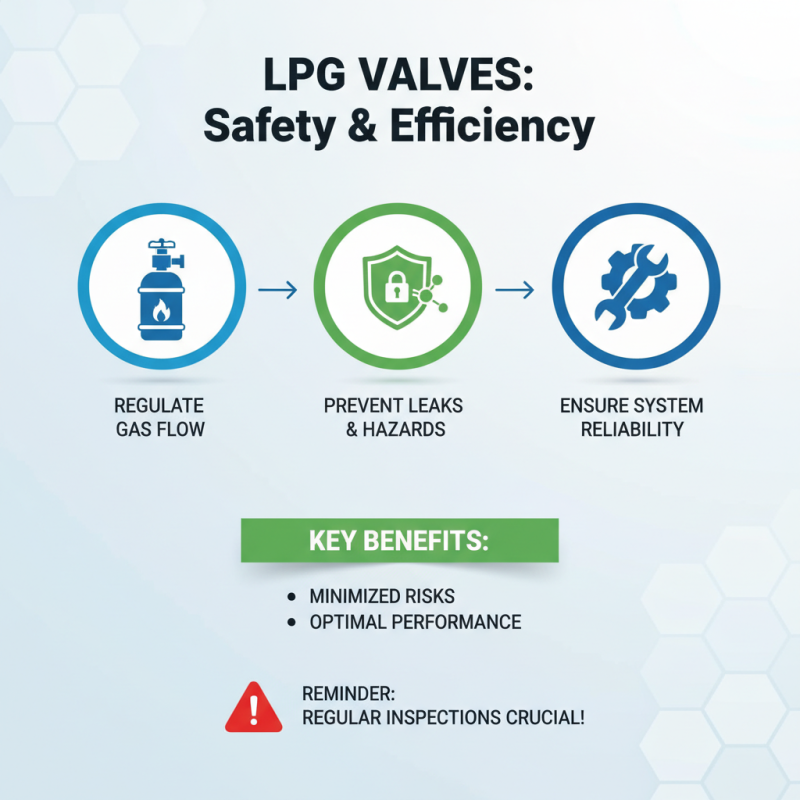
LPG valves play a crucial role in the safe handling of liquefied petroleum gas. Understanding how these valves function is vital for anyone involved in LPG use. According to the National Fire Protection Association (NFPA), approximately 1,400 residential fires are caused by gas leaks every year. A well-functioning LPG valve is key to preventing such incidents.
Properly designed valves ensure controlled gas flow and reduce the risk of leaks. Industries rely on precise measurements for efficiency. The American Society of Mechanical Engineers (ASME) highlights that even small valve malfunctions can lead to significant hazards. They emphasize the importance of regular inspections and maintenance. These practices can save lives and resources.
Not all LPG valves are created equal. Some may have design flaws that compromise safety. A study from the International Gas Union (IGU) revealed that outdated valve technology is a common issue in many facilities. Regular audits and employee training can mitigate these risks. It’s essential to stay informed about the latest safety standards and technological advancements in LPG systems.
Common Types of LPG Valves and Their Specific Functions
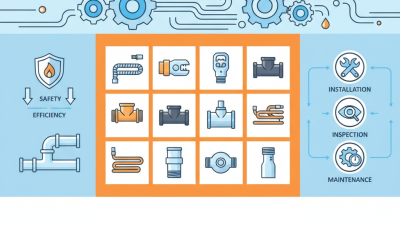
LPG valves play a crucial role in managing gas flow safely and efficiently. Understanding the different types of LPG valves is essential for ensuring safety and compliance. There are three primary types of LPG valves: service valves, excess flow valves, and pressure relief valves. Each type has its specific function, impacting overall safety.
Service valves control the flow of LPG during usage. Regular inspection is vital, as faulty service valves can lead to dangerous leaks. A study by the Gas Safety Trust indicates that around 30% of gas incidents are linked to valve failures. Excess flow valves act as safety devices, automatically shutting off gas flow when abnormal rates are detected. This quick response is critical, especially in emergency situations.
Pressure relief valves protect systems from excessive pressure, preventing potential explosions. These valves should be checked annually. Experts recommend replacing them every five years for optimal safety. Yet, many operators overlook such maintenance. Statistics show that approximately 25% of LPG facility accidents result from equipment neglect. Understanding these valve types and their specific functionalities empowers users to prioritize safety effectively. Regular maintenance can make a significant difference in risk management.
Understanding LPG Valve Functionality
This bar chart illustrates the importance rating of different types of LPG valves based on their functionality and safety implications. Each valve serves a crucial role in ensuring safety during the use of LPG, with safety valves rated the highest for their critical function.
Understanding Potential Hazards Associated with LPG Valves
LPG valves play a critical role in managing gas flow. Any malfunction can lead to serious hazards. A recent report from the Gas Safety Trust indicates that over 30% of LPG-related accidents arise from valve failures. Awareness of valve functionality is key to preventing these dangers.
Improperly functioning valves can cause leaks. Even a small leak can lead to dangerous environments. In fact, the National Fire Protection Association reported that LPG leaks are responsible for thousands of fires each year. Proper maintenance of valves is essential. However, many users overlook routine inspections, increasing risk levels. Life safety tends to be a secondary thought to convenience.
Understanding LPG valve indicators can help mitigate risks. Many users struggle with recognizing warning signs, which can lead to catastrophic failures. Being informed can save lives. Regular training on valve operation and detection of potential issues is essential. Emphasizing education can lead to better safety practices within communities. The connection between knowledge and functionality is undeniable.
Best Practices for Maintaining and Inspecting LPG Valves
Maintaining and inspecting LPG valves is crucial for safety. Regular checks ensure that these components function properly. A small leak can lead to dangerous situations, making vigilance vital. Always inspect for signs of wear or corrosion. If a valve feels loose or difficult to turn, it may need replacing.
Tips for maintenance include keeping valves clean and accessible. Dust and dirt can hamper valve functionality. Use a damp cloth to wipe them down regularly. A visual inspection can reveal potential issues before they escalate. Always check the surrounding area for signs of leaks, like unusual smells.
Sometimes, we overlook small details. A cracked handle may seem minor but can signify bigger problems. Don’t ignore odd noises or changes in operation. Report any irregularities promptly to a qualified technician. Ensuring the integrity of your LPG system is a shared responsibility. Always stay informed and proactive for your safety.
Why Understanding LPG Valve Functionality is Essential for Safety? - Best Practices for Maintaining and Inspecting LPG Valves
| Inspection Date |
Valve Type |
Functionality Status |
Next Maintenance Due |
Notes |
| 2023-01-15 |
Manual Shut-off Valve |
Functional |
2024-01-15 |
No issues detected |
| 2023-02-20 |
Pressure Relief Valve |
Requires Replacement |
2023-05-20 |
Leakage observed during testing |
| 2023-03-10 |
Cylinder Valve |
Functional |
2024-03-10 |
Routine check completed |
| 2023-04-05 |
Regulating Valve |
Functional |
2024-04-05 |
Calibrated as per standards |
| 2023-05-15 |
Solenoid Valve |
Requires Attention |
2023-06-15 |
Intermittent operation noted |