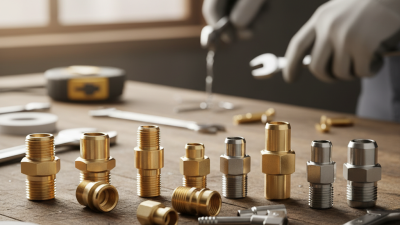
Top 10 8mm Gas Pipe Fittings for Safe Gas Lines?

Choosing the right 8mm gas pipe fittings is a small decision with serious safety consequences. A loose compression nut, damaged seal, or poorly supported tube can turn a neat installation into a hidden hazard. The IEA’s Gas 2024 report forecasts global natural gas demand to increase through 2030, creating continued demand for reliable small-bore gas connections. More installations also mean more opportunities for preventable mistakes.

Gas Safe Register chief executive Jonathan Samuel promotes a simple principle: “Check the engineer, check the appliance, check the flue.” That advice applies to fittings too. Product selection cannot replace qualified installation, pressure testing, or local code compliance. NFPA 54 and CSA B149.1 both emphasize approved materials, correct installation methods, and verified system integrity. Always confirm the fitting’s gas rating, connection type, operating pressure, and compatibility with the pipe material.

This guide examines the top 10 8mm gas pipe fittings for safe gas lines. It considers body materials, sealing methods, thread accuracy, corrosion resistance, and installation practicality. Some fittings look identical on a workshop bench. They are not always interchangeable. A brass compression fitting may suit one tubing system, while another requires a manufacturer-approved insert or adapter.

The details matter.

Real-world experience also exposes a weakness in many buying guides: they focus on appearance instead of traceability. A fitting should have clear specifications, trustworthy certification, and accessible installation instructions. If those details are missing, pause before purchasing. Safe gas work rewards careful decisions, not shortcuts.
Top 10 8mm Gas Pipe Fittings for Safe Gas Lines?

Understanding 8mm Gas Pipe Fitting Standards and Safety Requirements

Choosing among the top 10 8mm gas pipe fittings starts with standards, not appearance. An 8mm pipe usually refers to its outside diameter, but this measurement alone does not confirm compatibility. Check the gas type, working pressure, pipe material, thread profile, and fitting design. A compression fitting for copper tubing may not suit stainless steel or flexible tubing.

Use only fittings certified for gas service under the regulations applying to your location. Relevant requirements may cover materials, pressure ratings, flame resistance, and installation methods. The fitting should grip evenly without crushing the tube. Always use the correct insert, ferrule, and sealing method specified for that fitting. Thread sealant is not automatically suitable for every connection.

Small errors matter.

During installation, measure the tube with a calibrated tool and cut it squarely. Remove burrs, keep the joint clean, and support the pipe near the fitting. Never force mismatched threads together. After assembly, an experienced installer should perform a pressure test and apply an approved leak-detection solution to every joint. Never test with an open flame. A bubble may reveal a loose connection, but a silent joint is not proof of safety. Local inspection rules may also require a qualified gas professional.

I would recheck the dimensions before ordering. Product descriptions can be incomplete, and “8mm” is sometimes used too casually. That assumption deserves caution.

Identifying the Main Types of 8mm Gas Pipe Fittings

Identifying the Main Types of 8mm Gas Pipe Fittings

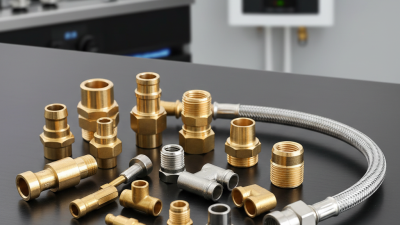
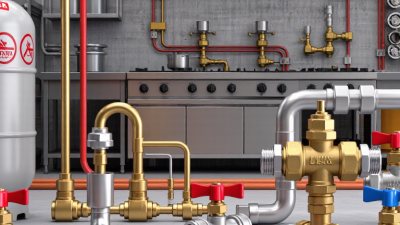
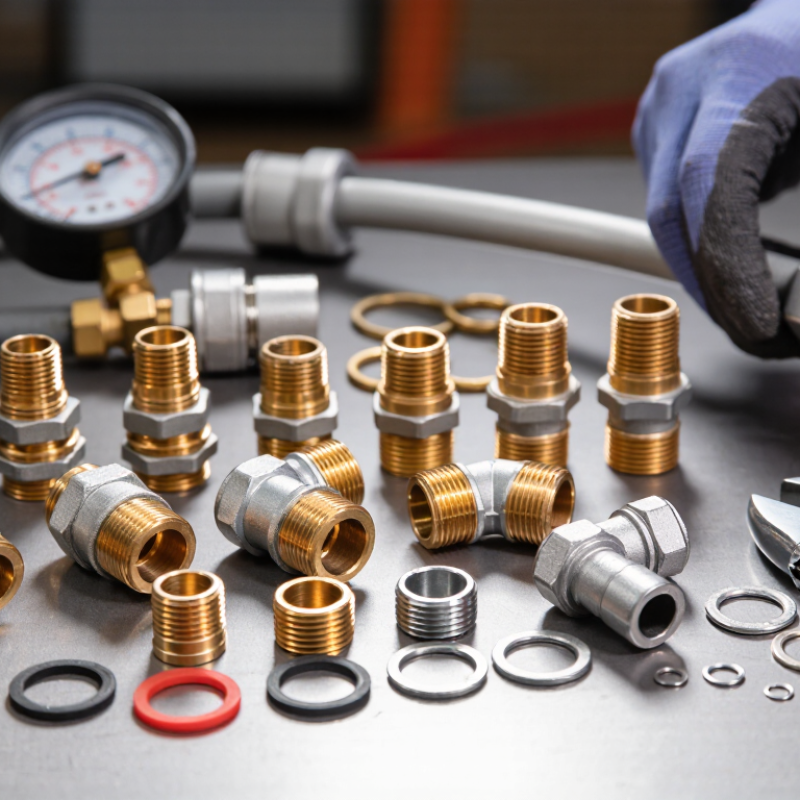
An 8mm gas pipe usually refers to its outside diameter, not its flow capacity. That small measurement matters. Compression fittings use a nut and ferrule to grip copper or approved tubing. Threaded adapters connect the tube to valves or appliances. Elbows change direction, while tees divide one supply into two branches. Unions allow later servicing without cutting the pipe. Approved isolation valves belong near accessible appliances.

A common mistake is treating every 8mm fitting as interchangeable. Material, wall thickness, gas type, pressure, and sealing method must match. Field inspection often finds over-tightened compression nuts. That can distort the tube and create a slow leak. Push-fit fittings may look convenient, but they require specific gas approval and installation procedures. Never assume a water fitting is suitable for fuel gas.

The IEA Gas 2024 report forecast global gas demand growth of about 2.5% in 2024, equal to roughly 100 billion cubic metres. The IGU World LNG Report 2024 recorded 404.5 million tonnes of LNG trade in 2023.

Expanding gas infrastructure increases the need for traceable, tested connections. Standards such as EN 331 and relevant national gas codes help define valve and installation requirements. Still, standards do not replace a pressure test. A fitting can look perfect and fail later. Always verify the tube certificate, fitting approval, leak-test method, and local licensing rules before commissioning.

Comparing the Top 10 Fittings by Material, Design, and Application

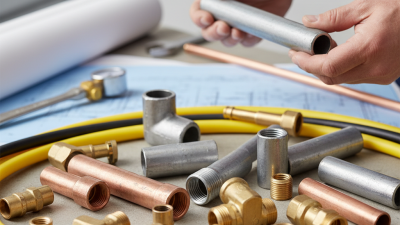
Choosing an 8mm gas pipe fitting is not only a size decision. Material, sealing method, and installation conditions matter equally. In practical inspections, brass compression straight connectors often suit short, accessible runs. Brass elbows help redirect tight routes. Brass tees support branch connections, but each branch needs careful leak checking. Stainless steel compression connectors resist corrosion better in damp plant rooms. Stainless steel elbows offer similar strength where vibration is possible.

The remaining options serve more specific applications. Flare adapters provide a reliable metal-to-metal seal when the pipe and tool match precisely. Bulkhead fittings pass through panels or cabinets. Reducer fittings connect different pipe sizes, although they can create unwanted pressure restrictions. Certified push-fit connectors save installation time, but only when approved for the exact gas service. Swivel adapters help align threaded equipment without twisting the pipe. These ten designs are not equal choices.

A fitting may look perfect and still be unsuitable. I once saw a clean connector installed beside a heat source, where material limits were overlooked. That mistake was easy to miss. Check the pipe wall, gas type, temperature, vibration, and access for inspection. Use components marked for gas service and compatible sealing materials. A qualified installer should follow local requirements, manufacturer instructions, and a documented leak-test procedure. Hand-tight is not a measurement. Over-tightening can damage the seal. Purely ranking fittings by price would be misleading; the safest design is the one correctly matched to its application.

Choosing Compatible Fittings for Different Gas Line Installations

Choosing compatible 8mm gas pipe fittings starts with the installation, not the fitting shape. An indoor appliance connection may need a different material and seal than an outdoor line. Check the gas type, working pressure, pipe material, and connection method before purchasing. Compression, flare, and threaded fittings are not interchangeable. A fitting can look perfect and still leak.

For copper tubing, confirm the fitting matches the tube’s actual outside diameter. Measure it, rather than trusting a product description. For flexible gas lines, use fittings specifically approved for that hose construction. Outdoor installations may require corrosion-resistant materials and protection from moisture. Indoor connections need adequate ventilation and clearance from heat sources. Follow local gas codes and the appliance manufacturer’s instructions. A qualified gas technician should inspect the connection and perform an approved leak test.

Tips: Keep the fitting sealed in its package until installation. Do not force mismatched threads. Avoid using sealant where the fitting design does not require it. Mark the gas type and pressure near the work area. Small details matter. I would also recheck the pipe route after installation; a neat line can still have hidden strain at the joint. If the fitting size, rating, or certification is unclear, pause the project and verify it with a licensed professional.

Top 10 8mm Gas Pipe Fittings for Safe Gas Lines? - Choosing Compatible Fittings for Different Gas Line Installations
Rank Fitting Type Typical Connection 8 mm Tube Compatibility Best Installation Use Common Material Connection Method Key Safety Considerations
1 Straight Compression Union 8 mm tube to 8 mm tube 8 mm OD metric tube Joining two straight sections of rigid copper, stainless-steel, or approved multilayer tubing Brass or stainless steel Compression nut and ferrule Use a ferrule and nut matched to the fitting body and tube material. Do not mix inch and metric components.
2 90-Degree Compression Elbow 8 mm tube to 8 mm tube 8 mm OD metric tube Changing the direction of a gas line in cabinets, appliances, or confined spaces Brass or stainless steel Compression connection Support the tubing to prevent bending loads. Avoid using the fitting to force a sharp bend in the tube.
3 Tee Compression Fitting 8 mm tube × 8 mm tube × 8 mm tube 8 mm OD metric tube Creating a branch line for a permitted appliance or auxiliary gas circuit Brass or stainless steel Three compression connections Branching must be allowed by local gas regulations. Size the supply line for the combined load and install isolation valves where required.
4 Bulkhead Compression Union 8 mm tube through a panel or enclosure wall 8 mm OD metric tube Passing a gas tube safely through an appliance cabinet, partition, or equipment panel Brass or stainless steel Compression ends with retaining nut Protect the tube from sharp edges and vibration. Tighten the bulkhead nut without distorting the panel or tubing.
5 Tube-to-Male-Thread Adapter 8 mm tube to male pipe thread 8 mm OD metric tube Connecting an 8 mm tube to a valve, regulator, manifold, or appliance inlet with a threaded port Brass or stainless steel Compression tube end plus threaded end Confirm the thread standard, such as BSPP, BSPT, or NPT, and match the pressure and gas approvals. Thread standards are not interchangeable.
6 Tube-to-Female-Thread Adapter 8 mm tube to female pipe thread 8 mm OD metric tube Connecting tubing to a male-threaded valve, appliance fitting, or distribution block Brass or stainless steel Compression tube end plus female threaded end Use a sealing method suitable for the exact thread type and fuel gas. Do not apply thread sealant to compression threads.
7 Compression End Cap 8 mm tube termination 8 mm OD metric tube Closing an unused branch or preparing a line for future extension Brass or stainless steel Compression cap and ferrule An end cap is not a substitute for an accessible isolation valve when the line may need regular servicing.
8 8 mm Tube Isolation Valve 8 mm tube to 8 mm tube, or 8 mm tube to threaded port 8 mm OD metric tube Shutting off gas to an individual appliance or service section Gas-rated brass or stainless steel Compression or threaded connection Choose a valve specifically rated for the fuel gas, pressure, temperature, and installation orientation. Keep it accessible.
9 Compression Check Valve 8 mm tube to 8 mm tube 8 mm OD metric tube Controlling permitted flow direction in specialized low-pressure gas equipment Brass or stainless steel with compatible seals Inline compression connection Use only where a check valve is approved for the specific gas service. Verify cracking pressure and flow capacity before installation.
10 Tube-to-Hose Barb Adapter 8 mm tube to approved gas hose connection 8 mm OD metric tube Transitioning from rigid 8 mm tubing to a certified flexible gas hose assembly Brass or stainless steel Compression tube end plus barb and approved clamp or sleeve Use only with a hose and retention method approved for the fuel gas. Ordinary hose clamps and general-purpose tubing are not automatically suitable.
Selection note: “8 mm” normally refers to the tube outside diameter, not the internal bore or thread size. Before installation, verify the tube material, actual outside diameter, gas type, operating pressure, temperature range, thread standard, fitting approval, and local code requirements. Gas-line work should be tested for leaks and completed by a qualified professional where required.

Installing and Inspecting 8mm Fittings for Leak-Free Gas Lines

Installing 8mm gas pipe fittings requires patience, clean tools, and a clear inspection plan. Use fittings designed for the gas type, pressure, and tubing material. Elbows, tees, couplers, adapters, and shutoff connections must match the pipe exactly. Do not force an almost-compatible part.

Close the gas supply before cutting or connecting tubing. Cut the tube squarely, then remove burrs without thinning the wall. Slide the nut and ring onto the tube in the correct order. Push the tube fully into the fitting body. Tighten the connection according to the fitting instructions. Too little pressure may leak. Too much pressure can damage the tube or fitting. Keep the line supported, with no sharp bends near the joint.

Inspect every connection under good lighting. Check for dents, cross-threading, loose nuts, and stressed tubing. I have seen clean-looking joints fail after vibration. A second look matters. After installation, restore pressure slowly and apply an approved leak-detection solution to each joint. Never use a flame. Bubbles indicate a leak, so shut off the supply and correct the connection before testing again. A pressure test may also be required by local rules or a qualified gas professional. My own weak habit was trusting a visual check too soon. Small details decide safety.