| Product Scope |
Global suppliers serving residential, commercial, industrial, and bulk LPG installations |
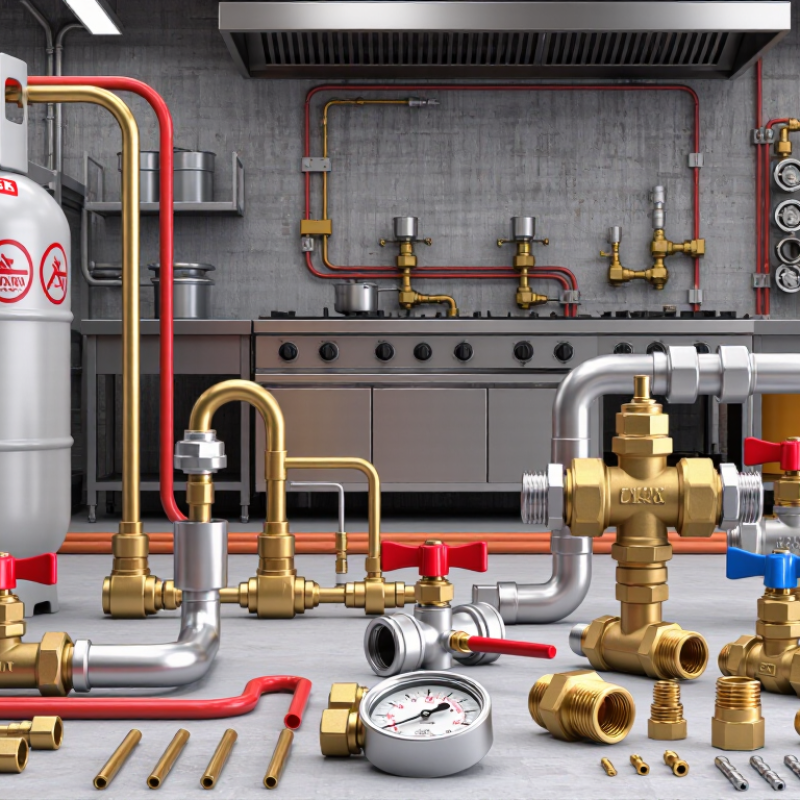
Steel pipe
Copper tube
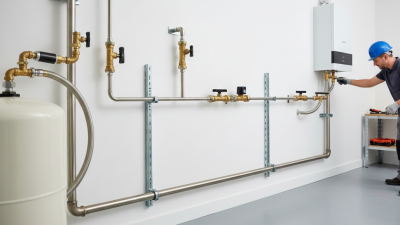
Stainless steel tube
Polyethylene gas pipe
Valves
Elbows and tees
|
Selection depends on LPG phase, pressure, temperature, installation location, joining method, and national gas regulations. |
Product catalogue, technical datasheets, material specifications, pressure and temperature ratings, installation instructions |
Confirm that each product is explicitly rated for LPG service rather than assuming that a general-purpose gas or water product is suitable. |
| North America |
Suppliers qualified for projects using North American fuel-gas codes |
Metal piping, threaded fittings, flared connections, appliance connectors, regulators, shut-off valves, and pressure-rated accessories |
Typical references include NFPA 58 for LP-Gas Code, NFPA 54 for fuel gas installations, ASME B16.5 for flanges, ASME B16.9 for butt-welding fittings, and ASTM material standards where specified. |
Listing or certification required by the project jurisdiction, code-compliant drawings, material certificates, pressure ratings, and traceability documents |
Check certification scope, lot numbers, thread type, fitting dimensions, valve direction, pressure class, and compatibility with the specified code edition. |
| European Union and EEA |
Suppliers able to support CE-related equipment requirements and national installation rules |
Steel and copper piping systems, threaded fittings, press-fit systems, valves, regulators, and underground polyethylene gas pipe systems |
Common references may include EN 331 for manually operated gas valves, EN 1555 for polyethylene piping systems for gaseous fuels, EN 10204 inspection documents, and applicable Pressure Equipment Directive requirements. |
Declaration of conformity where applicable, notified-body or third-party certificates when required, technical file information, test reports, and material certificates |
Verify that the conformity documentation covers the exact product, pressure category, gas application, dimensions, and intended installation environment. |
| United Kingdom |
Suppliers supporting UK-specific gas installation, product conformity, and building requirements |
Gas-rated copper and steel pipe, compression or press fittings, valves, regulators, flexible connectors, and underground polyethylene systems |
Applicable BS, EN, UKCA or other legally applicable conformity requirements, together with local gas installation rules and project specifications |
Product conformity documents, installation instructions, test certificates, batch traceability, and evidence of suitability for LPG service |
Confirm current legal marking requirements, installer compatibility, thread and connection type, operating pressure, and approved use for LPG. |
| Middle East and Africa |
Suppliers experienced with hot climates, outdoor pipework, bulk storage, and industrial LPG systems |
Carbon-steel pipe and fittings, flanges, valves, regulators, flexible connectors, corrosion-protection systems, and polyethylene service pipe |
Project specifications may reference NFPA 58, ISO standards, ASME piping standards, API requirements, local civil-defense rules, or national petroleum regulations. |
Heat and UV suitability, corrosion-control procedures, material certificates, welding qualifications, pressure-test records, and hazardous-area documentation where relevant |
Review maximum ambient temperature, UV exposure, coating system, cathodic protection requirements, welding procedures, hydrostatic or pneumatic test limits, and site storage controls. |
| Asia-Pacific |
Suppliers serving residential LPG, commercial kitchens, industrial plants, and cylinder distribution networks |
Regulators, pigtails, copper or steel tubing, valves, threaded fittings, appliance connectors, and pressure-rated pipe assemblies |
Requirements vary by country and may combine ISO, IEC, EN, ASME, JIS, AS/NZS, or national gas standards. The governing authority and project specification should determine the final standard. |
Country-specific approvals, test reports, material certificates, dimensional drawings, compatibility statements, and records of production inspection |
Verify local approval status, gas connection dimensions, pressure range, elastomer compatibility, corrosion resistance, and availability of replacement parts. |
| Material Verification |
All international supplier categories |
Carbon steel, stainless steel, copper, brass, ductile iron where permitted, and polyethylene compounds |
Material designation and mechanical requirements should follow the purchase specification and the referenced piping or product standard. |
Heat number, cast or batch number, chemical composition, mechanical properties, dimensional report, and EN 10204 inspection certificate when specified |
Match certificates to markings on the product, perform positive material identification where risk justifies it, and retain records by batch. |
| Dimensional and Visual Inspection |
Recommended for every shipment before installation |
Pipe outside diameter, wall thickness, fitting geometry, flange dimensions, threads, socket depth, surface finish, and end preparation |
Use the dimensional tolerances stated in the applicable product standard, approved drawing, or purchase order. |
Inspection and test plan, dimensional inspection report, calibration records, and approved drawings |
Sample or inspect 100% of critical dimensions according to risk; check for cracks, dents, corrosion, incomplete threads, coating damage, and foreign material. |
| Pressure and Leak Testing |
All pressure-containing pipes, fittings, valves, and assemblies |
Pipe spools, manifolds, valves, regulators, hose assemblies, welded fittings, and prefabricated skids |
Test method, pressure, duration, medium, and acceptance criteria must be taken from the governing code, product standard, and approved engineering documents. |
Factory test report, pressure gauge calibration certificate, leak-test record, test medium, test pressure, hold time, and acceptance result |
Ensure testing is performed by trained personnel; never use oxygen for pressure testing; verify safe isolation, calibrated instruments, and documented test boundaries. |
| Valve and Regulator Control |
Suppliers of pressure-control and emergency-isolation components |
Ball valves, excess-flow valves, check valves, pressure regulators, relief valves, and emergency shut-off devices |
Confirm the applicable valve, regulator, pressure-relief, and fuel-gas installation requirements for the intended LPG service. |
Flow capacity, inlet and outlet pressure range, shut-off performance, temperature range, material compatibility, certification, and maintenance instructions |
Check set pressure, lock-up performance, direction of flow, tamper resistance, seat leakage, relief discharge arrangement, and suitability for the LPG composition. |
| Joining and Installation Compatibility |
Suppliers offering complete systems rather than isolated components |
Threaded, flanged, brazed, welded, compression, press-fit, electrofusion, and mechanical joint systems |
Joining method must be approved for the pipe material, LPG phase, operating pressure, temperature, and installation environment. |
Qualified welding or brazing procedures, fusion parameters, approved jointing tools, installer training records, and compatibility declarations |
Do not mix components from incompatible systems; verify thread standards, seal materials, torque values, joint preparation, and installer qualifications. |
| Supplier Verification |
Shortlisted manufacturers, authorized distributors, and qualified stockists |
Any LPG pipe, fitting, valve, regulator, or assembled piping package |
Supplier must demonstrate conformity with the contract specification and the regulations of the destination country. |
Legal registration, factory address, quality-management certificate, audit history, customer references, insurance, export documentation, and after-sales contact |
Verify the legal entity independently, inspect the manufacturing location, confirm certificate validity with the issuing body, and compare website, quotation, bank, and shipping details. |
| Factory Audit |
High-value, safety-critical, customized, or recurring purchases |
Large-diameter pipe, fabricated manifolds, valves, regulators, coated products, and complete LPG skids |
Audit criteria should follow the purchase specification, inspection and test plan, applicable standards, and the buyer’s quality procedures. |
Quality manual, process flow chart, equipment list, calibration system, nonconformance records, corrective-action records, and production capacity data |
Review incoming material control, in-process inspection, final release, segregation of nonconforming goods, traceability, storage, packaging, and subcontractor management. |
| Packaging and Logistics |
International shipments and projects with long storage periods |
Fittings, valves, coated pipe, elastomer-sealed products, instrument components, and prefabricated assemblies |
Packaging must preserve product integrity and comply with transport, customs, and dangerous-goods requirements where applicable. |
Packing list, country-of-origin documents, export paperwork, moisture-protection details, preservation period, and handling instructions |
Protect threads and machined faces, cap pipe ends, separate dissimilar metals, control moisture, prevent UV damage to polymer products, and inspect containers on arrival. |
| Commercial Comparison |
All qualified suppliers after technical prequalification |
Standard components, engineered packages, spare parts, and maintenance replacements |
Commercial evaluation should be based on total compliance and lifecycle cost, not unit price alone. |
Detailed quotation, Incoterms, lead time, warranty terms, validity period, payment terms, spare-parts list, and cost of inspection or testing |
Compare equivalent specifications, certification scope, freight, duties, testing, installation tools, maintenance, expected service life, and availability of local support. |
| Final Acceptance |
Buyer, third-party inspector, and installation contractor |
Delivered products and completed LPG piping assemblies |
Acceptance must follow the approved drawings, inspection and test plan, applicable code, and authority requirements. |
Final dossier, certificates, test records, as-built drawings, calibration records, warranties, operation manuals, and punch-list closure |
Release products only after document review, physical inspection, pressure or leak testing, identification verification, and approval by the responsible authority or engineer. |