How to Choose the Best Propane Blow Torch?
Choosing the best propane blow torch is not simply a matter of finding the hottest flame. The right model should match your task, workspace, fuel supply, and experience level. A torch used for soldering copper requires different control than one used for removing paint or heating frozen equipment. Small details matter. Grip comfort matters.
A dependable propane blow torch should offer stable combustion, adjustable flame control, and a reliable ignition system. Look for clear manufacturer specifications, heat-resistant construction, and recognized safety testing where available. A broad flame may heat large surfaces quickly, while a focused flame provides better precision. However, maximum temperature claims can be misleading without information about airflow, fuel pressure, and operating conditions.
Safety must guide every comparison. Use the torch only in a well-ventilated area, away from combustible materials, and with suitable eye and hand protection. Check the hose, regulator, connection, and cylinder before each use. Never ignore a damaged seal. It can become a serious problem.
Practical testing also reveals weaknesses that product pages may hide. An awkward handle can cause fatigue. A sensitive trigger can make flame adjustment frustrating. I once underestimated balance, and the torch felt uncomfortable after several minutes. That experience changed how I judge these tools. Performance matters, but control and confidence matter more. This guide examines flame type, heat output, ignition, durability, fuel efficiency, maintenance, and safety features, helping you choose a reliable torch for responsible everyday work.
Understanding Propane Blow Torch Types and Their Applications
How to Choose the Best Propane Blow Torch?
Understanding propane blow torch types helps you match the tool to the task. A pencil-flame torch produces a narrow, focused flame for soldering copper joints, loosening small fasteners, or heating precise areas. A swirl-flame torch spreads heat more evenly. It suits larger metal surfaces, light brazing, and general workshop heating. High-output models deliver stronger heat, but they consume fuel faster and require better control. More power is not always better.
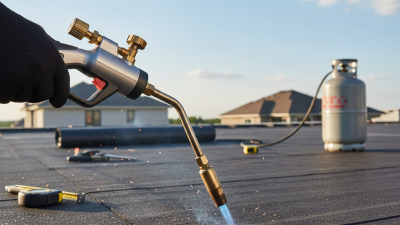
Portable torches usually attach directly to a small propane cylinder. They are convenient for short repairs and outdoor maintenance. Hose-connected torches offer greater reach and keep the cylinder away from the immediate work area. Look for a stable handle, reliable ignition, adjustable flame control, and clear fuel compatibility. A built-in regulator can improve consistency. Check the operating instructions carefully. Flame temperature alone does not determine performance.
A common mistake is choosing the smallest torch for every job. Its flame may take too long to heat thick metal, creating frustration and uneven results. The opposite mistake is using excessive heat on thin tubing or delicate fittings. During practical work, inspect the hose, connection, and burner before lighting. Work in a well-ventilated area, wear eye protection and heat-resistant gloves, and keep combustible materials away. Keep the cylinder upright. Never ignore a damaged seal or unusual odor. Sometimes, a slower flame is the safer and more accurate choice.
Assessing Heat Output, Flame Control, and Fuel Efficiency
Choosing the best propane blow torch starts with heat output, not appearance. Check the rated BTU per hour, then match it to the task. A small torch may suit softening, soldering, or weed control. Larger work needs a wider burner and higher output. The U.S. Energy Information Administration lists propane at roughly 91,500 BTU per gallon. That figure helps estimate fuel use, although real performance changes with temperature, hose length, and wind.
Flame control matters just as much. Look for a valve that adjusts smoothly from a soft blue flame to a forceful heat pattern. A stable flame reduces scorching and makes close work easier. In field use, I watch the flame tip, not only the control knob. A yellow, fluttering flame can signal poor air mixing or an unsuitable pressure setting. The U.S. Department of Energy fuel-property tables support comparing propane’s energy content, but they do not predict every torch’s efficiency.
Fuel efficiency depends on useful heat reaching the workpiece. A narrow nozzle may waste less heat on small metal parts, while a broad head can heat surfaces faster. PERC guidance also stresses checking connections, ventilation, and cylinder condition before operation. I still misjudge wind more often than expected. A wind shield can improve consistency, but it may also trap heat dangerously. Compare burn time at the same output, rather than trusting the largest BTU number. A simple log of cylinder weight, task time, and flame setting often reveals the better choice.
Checking Safety Features, Build Quality, and User Ergonomics
Choosing a propane blow torch starts with safety, not maximum heat. I look for an automatic shutoff, stable flame control, and a protected trigger. A flame-failure device is valuable because it stops gas flow when the flame goes out. NFPA 58, the 2024 Liquefied Petroleum Gas Code, emphasizes approved components, secure connections, and proper cylinder handling. These details are easy to overlook.
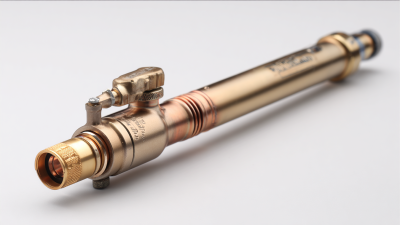
Build quality also affects daily reliability. A solid brass valve should turn smoothly without wobbling. The hose connection needs clean threads and a firm seal. I prefer a steel burner tube with a heat-resistant guard. Before use, inspect the hose for cracks and check connections with approved leak-detection solution. Never rely on smell alone. The National Fire Protection Association reported 1.39 million U.S. fires in 2023, showing why small equipment checks deserve serious attention.
Ergonomics becomes critical during longer jobs. The handle should fit a gloved hand and keep the trigger away from accidental contact. Balanced weight reduces wrist strain. A wide base helps when the torch rests briefly on a work surface. I once chose a powerful model with a narrow grip; my hand tired quickly, and control suffered. More heat was not better. Look for clear adjustment markings, a readable pressure gauge, and controls usable without twisting your wrist. Independent laboratory certification adds confidence, but it does not replace inspection. Even experienced users can miss a damaged seal.
Matching Torch Specifications to Your Intended Project
How to Choose the Best Propane Blow Torch?
Matching torch specifications to your intended project starts with heat control, not maximum power. A small soldering joint needs a stable flame and precise adjustment. Surface heating requires broader coverage and stronger output. The U.S. Department of Energy’s Alternative Fuels Data Center lists propane at approximately 91,500 BTU per gallon. However, fuel energy does not equal useful work. Nozzle design, air mixing, wind, and operator distance affect actual heating performance.
Check the torch’s BTU-per-hour range, flame pattern, hose length, regulator, and ignition method. A narrow pencil flame suits brazing small parts or loosening seized fasteners. A broader tip distributes heat across sheet metal or large fittings.
Too much output can discolor metal, damage nearby seals, or heat one spot unevenly. A larger torch feels efficient. That assumption often fails. In real workshop conditions, controllability usually matters more than the highest rating.
Match the cylinder and regulator to the torch specification. Never treat a universal-looking connection as automatically compatible. NFPA 58, the Liquefied Petroleum Gas Code, addresses cylinder handling, storage, and equipment use. OSHA guidance also emphasizes ventilation, leak checks, secure cylinders, and keeping ignition sources away from flammable materials. Wear eye protection, heat-resistant gloves, and nonflammable clothing. A project may appear small, yet reflected heat can travel farther than expected. Recheck the setup after the first minute.
Comparing Maintenance Needs, Costs, and Overall Value
Choosing the best propane blow torch requires more than comparing purchase prices. A low-cost model may have weak seals, awkward controls, or difficult-to-find replacement parts. Over time, those small problems can increase ownership costs. Inspect the hose, regulator, nozzle, and ignition system before buying. Durable metal fittings usually tolerate workshop use better than fragile plastic components.
Maintenance should remain simple. A practical torch needs regular leak checks, nozzle cleaning, and safe storage away from heat and moisture. Read the operating manual carefully, and follow local safety requirements for propane equipment. I once underestimated the cost of replacement hoses. That mistake changed how I judge value. A torch with a higher initial price can be cheaper if its parts last longer and remain available.
Tips: Compare fuel consumption, not only the torch price. Check whether the flame stays steady during extended use. Test the control knob with gloves if possible. Keep a small maintenance budget for seals and cleaning tools. Do not ignore an unusual smell or flickering flame. Stop using the torch and inspect it. Some “minor” faults are not minor. A clear warranty and responsive technical support also add value, although warranty terms can be easy to misunderstand.
How to read this chart: For typical annual use, fuel consumption is the largest ongoing cost. Light-duty torches are usually the most economical for occasional work, while heavy-duty models justify their higher maintenance and fuel costs when faster heating and longer operating periods are required.
Planning estimates in USD for one year of use: approximately 24, 48, and 90 operating hours for light-, medium-, and heavy-duty use. Costs vary with local propane prices, operating pressure, hose length, and replacement frequency. Always inspect hoses, regulators, connections, valves, and torch tips before use.