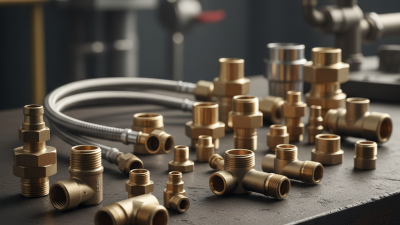
Top Gas Fittings Manufacturers and Suppliers Worldwide?
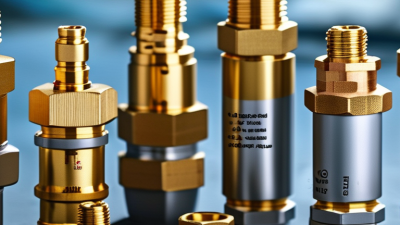
Choosing reliable gas fittings manufacturers and suppliers worldwide requires more than comparing prices or browsing polished catalogues. These components connect pipes, valves, regulators, and appliances, so small differences in material quality can affect safety, durability, and installation performance. A fitting may look flawless on a screen, yet its thread accuracy, sealing surface, and pressure rating deserve closer attention. That is where practical experience matters.
This guide examines established gas fittings manufacturers and suppliers across major global markets. It considers product range, manufacturing expertise, quality controls, certifications, delivery capability, and technical support. The review also looks at brass, stainless steel, steel, and other commonly specified materials. Dimensions, connection standards, operating temperatures, and application requirements can vary significantly between regions. Buyers should verify every specification before ordering.
No supplier is perfect. Even reputable companies may have uneven lead times, limited documentation, or regional product restrictions. That deserves honest attention. A strong manufacturer should provide traceable product information, clear installation guidance, and responsive engineering assistance. Suppliers should also communicate stock levels and replacement options accurately.
The companies discussed here serve different needs, from residential appliance connections to industrial gas distribution systems. Some focus on high-volume production. Others provide custom configurations or specialist fittings. Their suitability depends on project conditions, not reputation alone. Independent verification remains important, especially when fittings will operate under pressure or in demanding environments. This overview aims to help engineers, contractors, distributors, and purchasing teams make more informed decisions with safety and long-term reliability in mind.
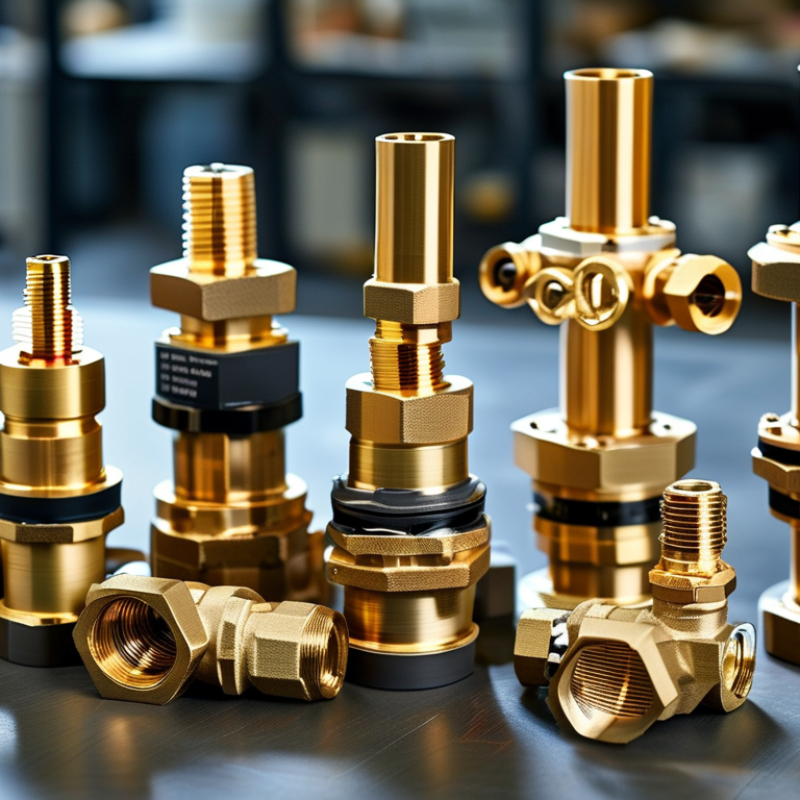
Types of Gas Fittings and Their Industrial Applications
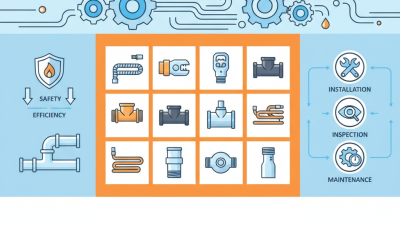
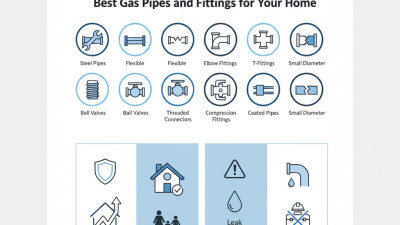
Gas fittings connect, control, and redirect fuel gas through industrial systems. Common types include threaded, compression, flare, welded, and quick-connect fittings. Each design suits different pressure, temperature, and maintenance conditions. Threaded fittings work well on rigid piping and low-to-medium pressure lines. Compression fittings support clean installation without welding. Flare fittings create reliable metal-to-metal seals in instrumentation and smaller tubing.
Material selection depends on the gas, operating environment, and required service life. Brass fittings are practical for many indoor systems and moderate pressures. Stainless steel performs better in corrosive areas, such as chemical plants or coastal facilities. Carbon steel supports larger pipelines and heavy-duty applications. Sealing materials also matter. PTFE tape, gaskets, and sealants must match the gas and temperature range.
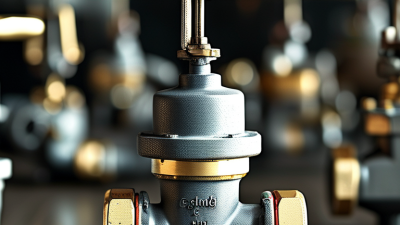
Industrial applications vary widely. Refineries use welded and flanged connections around process equipment. Food-processing plants often prefer stainless steel and smooth internal surfaces. Laboratories need compact fittings for precise gas delivery and frequent changes. Compressed gas stations may use regulators, check valves, and breakaway couplings. A fitting can look correct and still fail under pressure. That assumption is risky. Technicians should verify thread standards, pressure ratings, material certificates, and leak-test results before operation. Supplier traceability helps, although paperwork alone cannot replace careful installation. Even experienced teams sometimes overlook vibration, thermal expansion, or incorrect thread engagement. Practical inspection must remain part of the design.
Leading Gas Fitting Manufacturers Across Global Markets
Top Gas Fittings Manufacturers and Suppliers Worldwide
Leading gas fitting manufacturers across global markets serve residential, commercial, and industrial projects with different pressure, temperature, and connection requirements. Reliable suppliers usually offer brass, stainless steel, or coated alloy fittings with clear dimensions and traceable batch records. Their technical teams should explain thread types, sealing methods, pressure ratings, and material compatibility without vague claims. This practical support matters when a fitting must connect cleanly inside a crowded plant room or behind a kitchen wall.
Experienced buyers compare more than price. They review quality systems, product testing, certification documents, delivery capacity, and after-sales response. Suppliers serving Europe, North America, Asia, and emerging markets may follow different regional standards. Therefore, project teams must confirm local approval requirements before ordering. A fitting can look perfect. It may still fail a local inspection if its documentation is incomplete. Manufacturers with stable production controls and transparent inspection records offer stronger purchasing confidence.
Tips: Check markings, dimensions, seal materials, and pressure limits against the project specification. Request sample reports and inspect threads before installation. Keep spare fittings from the same approved batch when possible. No checklist is perfect. A second technical review can reveal overlooked risks, especially when several connection standards appear similar. Reliable communication, honest limitations, and consistent packaging often distinguish dependable suppliers from those offering only attractive catalogs.
How to Compare Gas Fitting Suppliers and Their Product Ranges
Comparing gas fitting suppliers requires more than checking catalog size. The IEA’s Gas 2024 report recorded global gas demand growth of about 2.5% in 2023. That growth can pressure lead times and quality controls. Ask each supplier for material grades, pressure ratings, temperature limits, connection dimensions, and approved gas applications. A broad range is useful. It is not automatically safer.
Review test evidence, not polished claims. Request batch certificates, dimensional inspection records, leak-test results, and traceability codes. Check whether products match standards required in your market, including ISO, EN, ASME, or national specifications. The ISO Survey 2023 reported more than one million ISO 9001 certificates worldwide. However, certification alone does not prove fitting performance. Compare warranty terms, technical response times, replacement availability, and change-control procedures. Small omissions matter. A missing certificate can delay installation and complicate maintenance.
Tips: Build a comparison sheet with one row per fitting family. Record size range, body material, seal material, working pressure, temperature range, test method, minimum order, and delivery history. Request samples from different production lots when risk is high. Inspect threads, sealing surfaces, markings, and packaging. A lower price may hide thinner walls or weaker documentation. Score suppliers before sampling, then score them again after inspection. That second score can feel uncomfortable, yet it often exposes early assumptions.
Factors to Consider When Choosing a Reliable Gas Fitting Supplier
Choosing a reliable gas fitting supplier requires more than comparing prices. Product safety begins with material control, dimensional accuracy, and documented pressure testing. Ask whether fittings meet applicable standards, such as ISO, EN, ASME, or local gas codes. Request certificates for brass, stainless steel, seals, and coatings. Every batch should have a traceable lot number.
Leak prevention deserves special attention. The International Energy Agency’s Global Methane Tracker 2024 estimated over 120 million tonnes of methane emissions from fossil fuel operations in 2023. Poor connections are only one part of this problem, but they remain preventable.
A dependable supplier should explain test pressures, sealing performance, temperature limits, and installation requirements. Do not accept vague claims like “industrial grade.” They sound reassuring, yet they prove little.
Tips:
Check sample fittings before placing a large order. Inspect threads, surfaces, packaging, and markings. Confirm replacement availability and delivery records. A supplier with local technical support can resolve field issues faster. Also review recall procedures, warranty terms, and quality audits. No supplier is perfect. Even strong paperwork can miss a production variation. For that reason, independent sampling or third-party testing may be worthwhile for critical systems. A cheaper quote can become expensive after leaks, delays, or rejected inspections. A useful question is simple: can the supplier show evidence, not just confidence?