Choosing a gas heater with cylinder involves more than comparing prices or viewing polished product photographs. Buyers need to understand the heater’s intended setting, heat output, fuel arrangement, materials, and available safety features. A compact cabinet heater may suit a ventilated room, while an outdoor model requires different performance priorities. Details matter.
This guide introduces ten manufacturers in China associated with gas heaters and cylinder-based designs. It is intended as a starting point, not a certified ranking or an endorsement. Company capabilities, product lines, and export experience can change, so verify current information directly with each supplier. Ask for model-specific specifications, clear product photographs, instruction manuals, and documented quality or safety testing where applicable. Check cylinder compatibility carefully; assumptions can lead to a poor fit.
Factory visits, sample inspections, and written responses can reveal more than a brief sales conversation. Look closely at welds, control knobs, hose connections, surface finishes, and the clarity of operating instructions. Small details count. A sample may differ from later production, too, so confirm inspection arrangements and agreed specifications before ordering. Local requirements for installation, ventilation, and product approval vary by market. Confirm them with qualified professionals and relevant authorities before purchase or use. Some information may be difficult to compare across suppliers. That is worth acknowledging. Careful verification gives buyers a more practical basis for choosing a manufacturer, negotiating requirements, and assessing whether a particular gas heater with cylinder meets their needs.
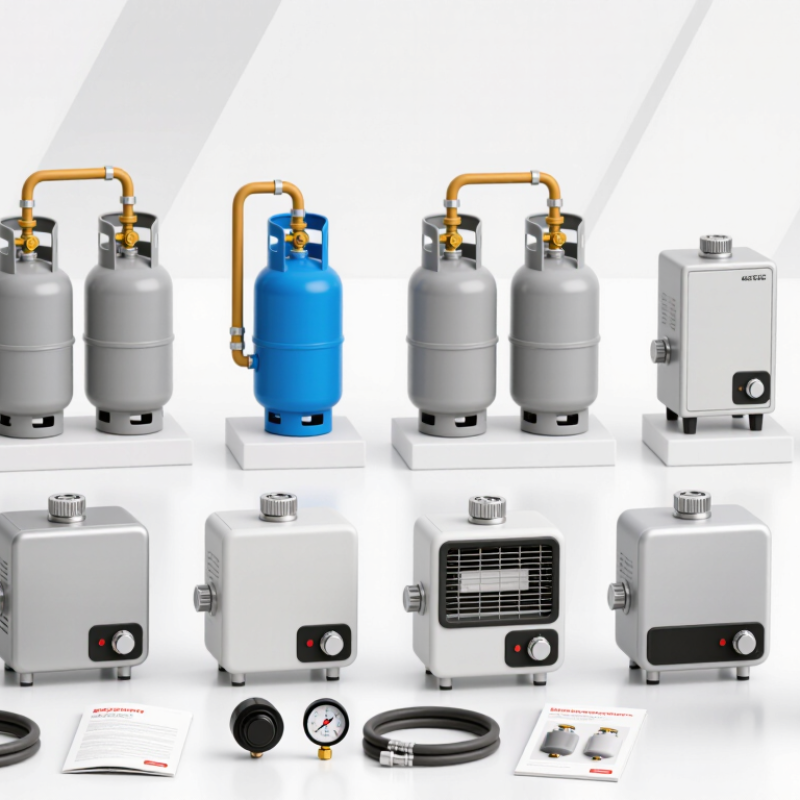
A gas heater designed for cylinder use burns liquefied petroleum gas, usually propane or butane, to produce radiant or convective heat. Its burner, gas valve, regulator, and hose are specified for a particular fuel and supply pressure. Some models hold a cylinder inside the casing; others connect to a separate cylinder. They are often used in spaces without a fixed gas line, such as workshops or outdoor areas. That distinction is easy to miss. A cylinder does not make every heater compatible.
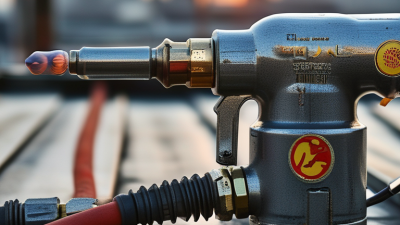
The World LPG Association’s 2024 Statistical Review estimates global LPG demand at about 340 million tonnes in 2023. This scale helps explain why cylinder-fed appliances remain common, but demand figures do not establish that a heater is suitable for a particular room. Check the appliance’s stated indoor or outdoor use, cylinder size, and ventilation requirements. Flame-failure protection and oxygen-depletion shutoff may be included, but features vary by model. A warm metal grille and a steady flame are useful observations, not proof of safe operation.
Tips: Match the regulator and hose to the heater’s specified gas and pressure. Keep the cylinder upright, away from direct heat, and follow the manufacturer’s clearance instructions. If you smell gas, turn the appliance off only if safe, leave the area, and seek qualified help. Measurements and labels matter more than guesswork.
How Do Cylinder-Fed Gas Heaters Work?
A cylinder-fed heater draws liquefied petroleum gas from a cylinder as vapor. A regulator reduces and steadies its pressure before gas reaches the burner. There, an injector mixes gas with primary air, and an ignition system lights the mixture. Depending on the heater design, warmth spreads mainly through radiant heat, convection, or both. The U.S. Energy Information Administration’s Monthly Energy Review lists propane’s heat content at about 91,500 Btu per gallon. That figure describes fuel energy, not the heat a room will actually receive.
The details matter. Cylinder pressure changes with temperature, while regulator condition and burner cleanliness can affect operation. I would not judge performance by flame appearance alone; the heater’s rating and installation instructions are more useful. Output also depends on room size, insulation, and ventilation. A heater can consume oxygen and produce carbon monoxide if combustion is incomplete. Use only a unit rated for its intended location, keep required clearances, and follow its instructions for ventilation and cylinder connection. Small details, big consequences. A cold cylinder or poor airflow may also make heating feel uneven, even when the appliance appears to be running normally.
Cylinder-fed gas heaters draw LPG through a regulator, which reduces cylinder pressure before gas reaches the burner. The burner mixes the gas with air and ignites it to produce heat. Propane and butane have similar energy content by mass; actual heater output depends on fuel composition, gas flow, and appliance efficiency. Values shown are approximate lower heating values.
Evaluating a Chinese gas-heater manufacturer means checking the product, cylinder connection, and factory records—not just the catalogue. Request model-specific test reports for ignition, flame-failure shutoff, gas leakage, heat output, and combustion emissions. Check the report number, laboratory, test date, and exact model; a certificate for a similar unit proves little. Small details matter.
Use health data carefully. The WHO’s 2021 Global Air Quality Guidelines set a 24-hour nitrogen dioxide guideline of 25 μg/m³ and an annual guideline of 10 μg/m³. These are ambient-air benchmarks, not appliance pass limits. Still, they show why buyers should request measured NO₂ results and clear ventilation instructions. Check whether reports state the test-room size, fuel, gas pressure, and operating duration. Otherwise, comparisons are shaky.
Inspect production controls: burner checks, calibrated leak-test equipment, traceable batch records, and documented corrective actions. Ask to see a finished heater running, then check its flame, shutoff response, hose connection, and cylinder-regulator fit. Verify destination-market certification, spare-part availability, and warranty terms in writing. I would ask twice about long-term parts support; it is easy to overlook. A neat showroom is not enough.
A useful profile of a gas heater manufacturer goes beyond product photos. It looks at factory experience, engineering capacity, production processes, and the support offered to buyers. Across ten Chinese manufacturers, these details can reveal very different strengths. Some may focus on compact heaters for smaller rooms, while others offer models designed for larger spaces or specific installation conditions. Product range alone is not proof of quality.
Look for practical evidence. Does the manufacturer explain rated heat output, fuel type, ventilation needs, and operating controls clearly? Are product specifications consistent across catalogs and technical documents? Ask how units are inspected during production and what spare parts are available. A precise answer is helpful. So is a clear test record.
Factory visits, sample checks, and direct technical discussions can help verify a profile. A polished catalog can still leave important questions unanswered. That is worth remembering. Compare warranty terms, production capacity, and communication before making a shortlist. One limitation: public company information may not show how consistently a factory maintains quality across large orders. Independent checks and written specifications provide a firmer basis for comparison.
When comparing gas heaters with cylinders, buyers should check that the product has been tested and certified under safety standards applicable in their market. Ask for clear documentation, not just a printed safety claim. Requirements can vary by country, so a certificate from another region may not be enough.
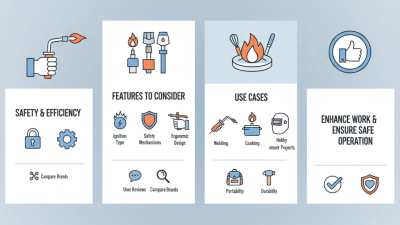
Look for a flame-failure device that shuts off gas if the flame goes out. A tip-over switch can help prevent continued operation if the heater is knocked over. Some models also include an oxygen-depletion sensor, but this feature does not replace proper ventilation. Check that the regulator, hose, and cylinder connection match the heater’s specifications. A stable base matters, especially on tiled floors. Small details matter.
Read the clearance and ventilation instructions before choosing a model for a room. Indoor use should be stated explicitly; never assume a heater is suitable because it runs quietly. Inspect the hose for cracks, and use soapy water to check connections for bubbles after setup. Never check for leaks with a flame. These checks are simple, but easy to skip. Buyers should also confirm that replacement hoses and regulators are readily available. A low purchase price can be less appealing when compatible parts are difficult to find.
The table below is a ten-point sourcing checklist, not a manufacturer ranking. Applicable requirements depend on the destination market, heater design, fuel type, and intended indoor or outdoor use.
| No. | Evaluation dimension | Relevant standard or safety consideration | What buyers should verify |
|---|---|---|---|
| 1 | Destination-market certification | Requirements differ by market. Examples include the EU Gas Appliances Regulation (EU) 2016/426, EN 449 for certain domestic flueless LPG space heaters, and ANSI Z21.11.2/CSA 2.26 for applicable vent-free room heaters in North America. | Match the exact heater model, fuel, intended use, and destination country to valid certificates and test reports. Confirm the cited standard and edition are accepted in the destination market. |
| 2 | Flame-failure protection | A flame-failure safety device is designed to shut off the gas supply if the flame is extinguished; applicable product standards define the relevant safety requirements. | Check the product specification and test documentation for the shut-off function. Ask how it is tested and whether the control is included on the supplied configuration. |
| 3 | Oxygen-depletion protection | Some heater designs incorporate an oxygen-depletion safety shut-off device. Its presence and requirements depend on the appliance type and applicable market rules; it does not replace required ventilation. | Confirm whether the feature is fitted, how the manufacturer describes its function, and what ventilation and room-use instructions still apply. |
| 4 | Tip-over and stability protection | Stability and accidental movement are relevant product-safety considerations. A tip-over shut-off may be required by a particular specification or offered as an additional feature, depending on the model and market. | Request applicable stability or tip-over test evidence. Check that the heater remains stable on the intended floor surface and that any shut-off function operates as documented. |
| 5 | Cylinder compartment and retention | Cylinder dimensions, securing arrangements, ventilation, and separation from hot components must be suitable for the appliance design and the intended cylinder type. | Verify compatible cylinder sizes, a secure retention method, access for safe replacement, and clear instructions against using an unsuitable or incorrectly positioned cylinder. |
| 6 | Regulator, hose, and connections | Regulator outlet pressure and connection type must match the heater and local LPG system. Hose and connection requirements vary by destination market. | Check the specified gas category, inlet pressure, regulator, hose, and connector. Confirm supplied components are approved for the intended market and that leak-check instructions are provided. |
| 7 | Combustion and carbon monoxide risk | Combustion performance and emissions are addressed through applicable appliance standards and testing. Any fuel-burning heater can pose a carbon monoxide hazard if faulty, misused, or inadequately ventilated. | Request relevant combustion test reports and follow the manufacturer’s ventilation and maintenance instructions. Do not treat an oxygen-depletion device as a carbon monoxide detector. |
| 8 | Indoor or outdoor suitability | Heaters designed for outdoor use are not automatically suitable for enclosed or indoor spaces. Product classification and permitted use should be stated in the documentation. | Confirm the declared use, minimum clearances, ventilation needs, and restrictions for bedrooms, bathrooms, tents, or other enclosed spaces before purchase. |
| 9 | Heat, guarding, and clearance | Accessible hot surfaces, flame protection, and clearance from combustible materials are important burn and fire-risk considerations; requirements depend on product design and applicable standards. | Review marked clearances, guard construction, surface-temperature information where applicable, and instructions for keeping clothing, furniture, and other materials away from the heater. |
| 10 | Instructions, traceability, and after-sales support | Product identification, installation and operating instructions, warnings, and servicing information support safe use and regulatory traceability. | Check for a model and serial or batch identifier, destination-language instructions, a parts list, maintenance guidance, warranty terms, and a documented process for handling safety notices or recalls. |
Standards references are examples to guide due diligence, not a complete compliance determination. Buyers should confirm current editions, certification scope, and local installation rules with the relevant authority or qualified conformity-assessment professional.