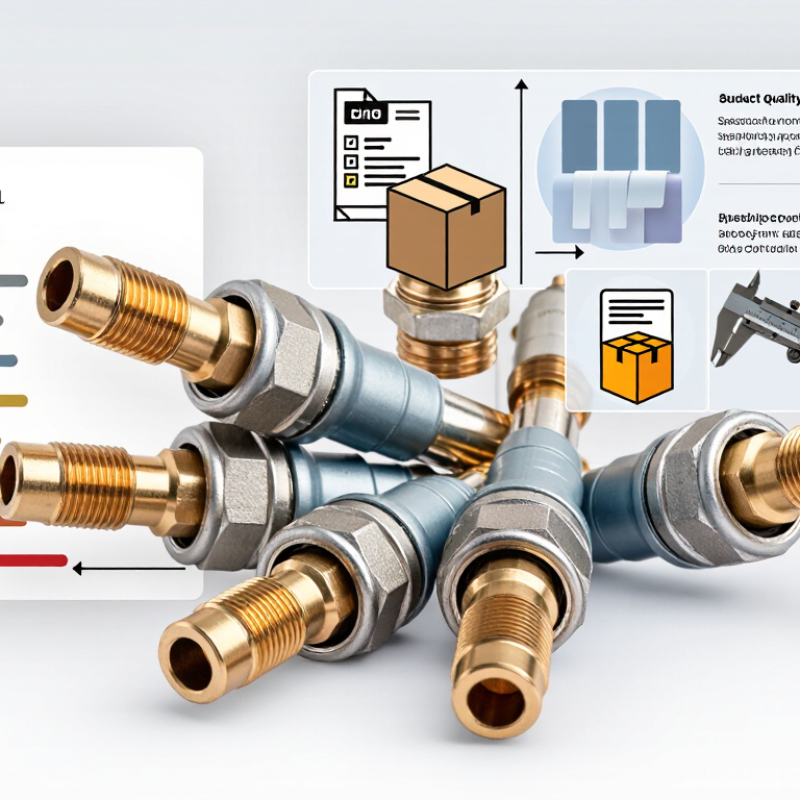
Choosing China’s best LP torch suppliers requires more than comparing catalog prices. Wholesale buyers should examine product consistency, material quality, order flexibility, and the supplier’s ability to provide clear technical specifications. A brass burner head, cleanly threaded connections, and a stable control knob are practical details worth checking against samples and product documentation.
A trustworthy comparison also needs reliable evidence. This introduction cannot name an LP torch industry expert or reproduce a quotation without a verifiable source; inventing one would mislead buyers. The guide should add a checked quotation from a named specialist before publication. In the meantime, buyers can request written specifications, sample units, production photos, and clear answers about inspection procedures. Ask how the supplier handles defects. Get the response in writing.
Price still matters. But a low quotation can lose its appeal if dimensions vary between batches or delivery updates are vague. Compare suppliers using the same checklist, and confirm that product descriptions match the goods being offered. These steps do not guarantee a perfect order. They make gaps easier to spot, before a large wholesale commitment is made.
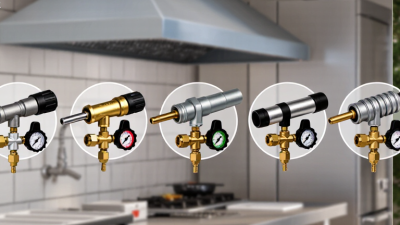
LP torch selection starts with the flame shape, not the advertised heat rating. Pencil-flame torches suit localized heating, brazing, and small-scale plumbing work. Swirl-flame heads spread heat more evenly across pipes and metal fittings. Multi-jet models serve larger surfaces where faster, broader heating matters. Roofing torches use wide, high-output flames for approved membrane work, with trained operators and fire controls. Fit matters. Buyers should verify fuel, regulator, hose, and connection compatibility before ordering cartons.
Wholesale demand also reflects LPG’s broad industrial and commercial role. The World LPG Association’s 2024 Statistical Review estimates global LPG demand at about 365 million tonnes in 2023. That figure is not torch sales data, but it shows the scale of the fuel supply behind many trade applications. Contractors often need several torch types, plus replacement nozzles and seals. Stocking only the largest flame is a common purchasing mistake. It can waste fuel on delicate jobs and reduce control. A practical assortment balances precision heads, general-purpose burners, and higher-output units. Specifications vary, and product descriptions do not always explain real working differences clearly. Check applicable safety instructions and local requirements before use.
China’s LP torch manufacturing landscape sits within a broad metalworking and gas-appliance supply base. Factories typically combine metal forming, nozzle machining, valve assembly, ignition fitting, and pressure testing. The National Bureau of Statistics reported that China’s manufacturing value added grew 5.0% in 2023. This is useful context, not a torch-specific growth figure. Public reports rarely separate LP torch output from wider appliance categories.
Automation is becoming more common across that wider base. The International Federation of Robotics reported 276,288 industrial robots installed in China in 2023, about 51% of global installations. For buyers, automation may support repeatable machining and assembly, but it cannot replace inspection. Small details matter. A poorly seated valve, uneven flame, or rough trigger can affect use and returns. Ask suppliers how they test ignition, flame stability, and leakage, and request batch records where available. A polished sample is not the whole story. Production consistency deserves checking across multiple units. These checks are practical, though they do not guarantee every shipment will perform identically.
Evaluating Chinese LP torch suppliers takes more than comparing unit prices. Ask for clear product specifications, including materials, connection type, ignition method, and flame adjustment range. Details matter. A reliable supplier should explain how each production batch is inspected, rather than offering only a general quality statement.
Request samples from current production and examine the valve, seals, and fittings closely. Ask how leak checks are performed and whether inspection records can be linked to batch numbers. A polished catalog can still hide weak process control; buyers should not treat it as proof. If a supplier avoids specific answers, pause and ask again. That extra step may feel slow, but it can reveal how the supplier handles problems.
Check whether the factory can maintain consistent output across repeat orders. Compare sample performance with written specifications, then confirm production capacity, lead times, packaging details, and replacement-part support in writing. Video calls or a third-party factory inspection can help verify equipment and workflow, though neither guarantees perfect quality. Communication matters too. A supplier that reports delays early is easier to work with than one that stays silent. Some evaluation notes may be incomplete at first; revisit them after testing samples and discussing corrective actions.
Wholesale pricing for LP torches depends on order volume, materials, packaging, and requested features. Ask suppliers to separate unit cost, tooling fees, shipping, and any inspection charges. A low price can look attractive until packaging or freight is added. Small details matter. Request a written quotation with the price tiers, currency, and quote validity period clearly stated.
Customization may cover handle color, hose length, connector options, labeling, and carton design. Confirm which changes require new tooling and whether a sample is available before production. Check the sample for fit, finish, and stable operation under the supplier’s stated test conditions. I would not rely on appearance alone; product photos can miss small but important differences. Ask for relevant quality records and documentation for the intended market, then verify that they match the exact model being ordered.
Agree on the minimum order quantity, sample cost, deposit, balance payment, and production lead time before placing an order. Clarify how delays, defects, and replacement parts will be handled. Get it in writing. For a first purchase, a smaller trial order can reveal packaging damage or inconsistent finishes before a larger commitment. It may cost more per unit, but that trade-off is worth considering.
China Best LP Torch Suppliers for Wholesale Buyers?
Supplier verification should begin with the actual product, not a polished catalog. Ask for a current specification sheet covering materials, operating pressure, ignition method, and connector dimensions. Request recent production photos and a sample from the same model and batch you plan to order. Check that labels and instructions match the goods. Small mismatches matter.
Quality control needs measurable checks. Ask how the supplier tests ignition, flame stability, shutoff function, and connection integrity. Review inspection records, defect limits, and batch identification. If possible, arrange an independent pre-shipment inspection. A certificate alone is not proof. It may cover a different model or an older production run. Even a detailed checklist can miss problems, so retain samples and document findings.
Export compliance depends on the destination and product configuration. Confirm classification, labeling, required conformity documents, and shipping paperwork with a qualified customs or compliance professional. Requirements can change. Ask the supplier to provide consistent commercial invoices, packing lists, and origin information where applicable. Compare every document with the order before dispatch. A rushed review is easy to regret. Boards and boxes should also protect valves and fittings from impact during transit. Don’t assume they do.
| Evaluation Area | What to Verify | Evidence to Request | Wholesale Buyer Acceptance Check |
|---|---|---|---|
| Business identity and site | Confirm the legal entity, registered business scope, manufacturing address, and whether production is performed in-house or subcontracted. | Business registration documents, factory address, production-process overview, and a live or independently arranged site audit. | Names, addresses, and business details are consistent across registration records, contracts, invoices, and audit findings. |
| Product definition | Identify the exact torch type, intended fuel, compatible cartridge or cylinder connection, operating instructions, and intended user group. | Controlled drawings, bill of materials, product specification, user manual, packaging artwork, and a signed sample reference. | All documents and samples describe the same model and intended use; fuel and connection compatibility are explicit and not assumed. |
| Quality management | Review controls for incoming materials, production, inspection, nonconforming product, corrective action, and record retention. | Quality procedures, recent inspection records, corrective-action examples, and any current ISO 9001 certificate with its scope and issuing body verified. | A certificate is treated as evidence of a quality-management system, not as proof that the torch itself is certified or compliant. |
| Safety and product testing | Determine which product-safety requirements and test methods apply to the exact torch design and destination market. EN 521 may be relevant to portable LPG appliances, depending on product scope and the applicable edition. | Complete test reports identifying the model, test scope, methods, results, laboratory, and report date; confirm report authenticity directly with the issuing laboratory where possible. | The test scope matches the product, fuel, configuration, and destination market. Do not rely on a standard or test report that does not apply to the product. |
| Critical-component controls | Check control of the valve, seals, nozzle, burner, ignition parts, and other safety-related components, including changes to materials or suppliers. | Approved component list, material specifications, supplier-change records, incoming inspection criteria, and traceable component-lot records. | Safety-related substitutions require prior written approval and a documented assessment of whether retesting is needed. |
| Production quality control | Review documented checks for assembly, ignition function, flame stability, leakage, appearance, and final packaging, as applicable to the design. | Inspection plan, calibrated-equipment records, batch inspection results, defect classifications, and rework or rejection logs. | Acceptance criteria are agreed before production and supported by applicable test methods; no unapproved adjustment or rework is concealed. |
| Pre-shipment inspection | Inspect finished goods against the approved sample, specification, packaging, quantity, and purchase-order requirements. | A dated inspection report with sampling plan, defect photographs, test results, carton details, and a clear pass/fail decision. | Inspection is completed before dispatch, and shipment release is conditional on written approval of any corrective actions. |
| EU market access | Assess whether the product falls within Regulation (EU) 2016/426 on appliances burning gaseous fuels and identify other applicable EU requirements for the product and sale channel. | A documented scope assessment, applicable conformity documentation, required instructions and labels, and identification of the responsible economic operator where required. | CE marking and supporting documents are used only where required and supported by the applicable conformity-assessment route; requirements are checked for the exact product. |
| U.S. market access | Confirm product-specific federal, state, and local requirements, applicable labeling, and any required testing or certification for the intended use and sales channel. | Written regulatory assessment, test documentation, English instructions and warnings, and records supporting applicable claims. | Do not treat a general-purpose certificate or a supplier declaration as proof of compliance with every U.S. requirement. |
| Dangerous-goods shipping | Determine whether the shipment contains gas, fuel, or other regulated dangerous goods. Empty torches and torch units shipped with fuel can have different transport requirements. | Product and packaging details, carrier acceptance, applicable transport classification, and required documents prepared by a qualified shipper. | Classification, packaging, marks, labels, and documentation are confirmed for the actual contents and transport mode before booking. |
| Export and customs documents | Align the commercial description, quantity, value, origin, and tariff classification with the shipment and destination-country import rules. | Commercial invoice, packing list, transport document, certificate of origin where applicable, and export declaration or supporting records as required. | Document data is consistent across records; the importer or customs broker confirms the tariff classification and destination requirements. |
| Traceability and after-sales support | Confirm lot identification, complaint handling, incident escalation, spare-parts availability, and recall cooperation. | Lot-code method, complaint and corrective-action process, warranty terms, contact route, and written recall-cooperation procedure. | Finished goods can be linked to production and inspection records, and the supplier agrees to promptly investigate safety complaints. |
| Purchase release gate | Approve the supplier and product only after commercial, quality, safety, and destination-market reviews are complete. | Signed specification, approved sample, verified compliance file, agreed inspection plan, and completed pre-shipment inspection. | Release production or shipment only when all mandatory requirements for the target market are documented and verified. |