How to Choose the Best Propane Blow Torch for Any Job?
Choosing the best propane blow torch begins with the job, not the brightest flame. A patio weed burner, copper pipe heater, and roofing torch need different designs. Heat output matters. Control matters more.
Tucker Perkins, president and CEO of the Propane Education & Research Council, offers a practical principle: “Safety is part of performance, not separate from it.” That idea should shape every purchase. Look for a stable handle, reliable ignition, adjustable flame control, and a properly matched regulator. A longer nozzle can keep heat away from your hands. A compact torch may offer better control in tight spaces. Check the manufacturer’s instructions carefully. Do not guess.
The fuel cylinder also deserves attention. Choose a compatible cylinder size and inspect the connection before use. A damaged seal, loose fitting, or cracked hose can turn a useful tool into a serious hazard. Work outdoors or in a well-ventilated area, away from flammable materials. Wear eye protection, heat-resistant gloves, and nonflammable clothing. Small details matter.
Real experience can change the decision. I once focused too heavily on maximum heat and overlooked balance. The torch worked, but it felt tiring after several minutes. That was a poor choice. The best model is not always the largest or hottest. It is the one that delivers suitable heat, steady control, and comfortable handling. This guide explains how to compare these details for different tasks, budgets, and skill levels.
Understand Propane Blow Torch Types and Their Main Applications
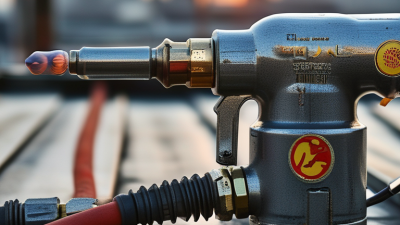
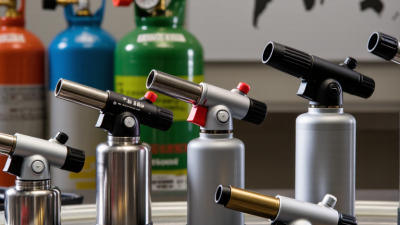
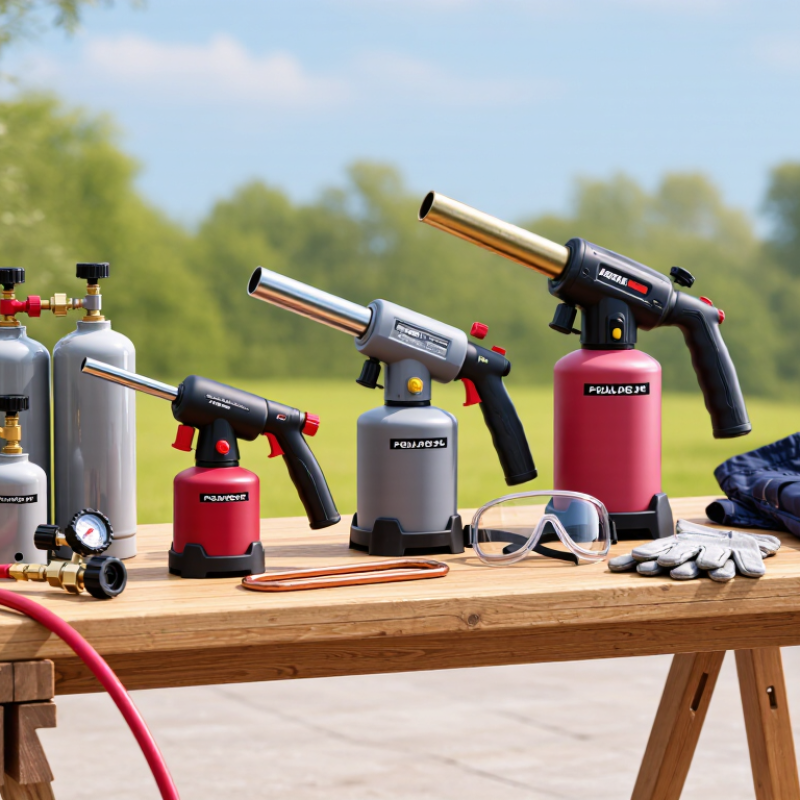
Choosing the best propane blow torch starts with its flame type, not its appearance. A pencil-flame torch suits soldering, small pipe repairs, and detailed heating. A swirl-flame torch spreads heat more evenly across wider metal surfaces. It works well for brazing and workshop maintenance. A high-output roofing torch delivers stronger heat for large outdoor surfaces. It needs careful control and stable positioning. A torch with adjustable flame control offers better precision than a simple on-off model.
Heat output matters, but higher BTU is not always better. Excessive heat can damage fittings, discolor metal, or waste fuel. The U.S. Energy Information Administration identifies propane as an important fuel for residential, commercial, and industrial energy use. This supports choosing equipment according to workload, not guesswork. Safety remains essential. NFPA reported an annual average of about 11,500 home fires involving grills between 2017 and 2021. Torches are different, but the message is similar: fuel equipment demands attention. I sometimes overestimate the value of raw power. A smaller, controlled flame is often more useful.
Tips: Check the torch’s BTU range, hose length, regulator compatibility, and ignition system. Keep the cylinder upright. Inspect connections with approved leak-checking methods before use. Wear eye protection and heat-resistant gloves. Avoid enclosed spaces unless ventilation is clearly adequate. Read the operating instructions. They are easy to ignore, and that is exactly the problem.
Choose the Right Torch Design for Your Specific Job
How to Choose the Best Propane Blow Torch for Any Job?
Choose the right torch design for the work, not merely the highest flame temperature. A pencil-flame torch suits soldering, thawing small pipes, and precise heat application. Its narrow flame protects nearby surfaces. A swirl-flame design spreads heat across wider metal, making it better for brazing, loosening bolts, or heating large fittings. For roofing or heavy outdoor work, choose a torch with a broad burner head and stable hose connection. A compact torch may feel convenient, but it can waste time on large surfaces.
Fuel control matters as much as flame shape. Look for an adjustable regulator, an ergonomic handle, and a reliable ignition system. OSHA requires suitable controls and safe handling for liquefied petroleum gas equipment under 29 CFR 1910.110. NFPA research estimates that heating equipment causes about 48,000 U.S. home fires annually, based on its 2016–2020 analysis. That figure includes many equipment types, but it shows why careless heat selection deserves attention. Check the cylinder connection, inspect the hose, and keep the flame away from combustible materials.
Tips: Match flame width to the workpiece. Use a hot, narrow flame for precision. Use a wide flame for even heating. Test on scrap material first. A universal torch sounds efficient. It often is not. I once chose a large burner for a small fitting and overheated the surrounding coating. That mistake was avoidable. Also, wear eye protection and gloves rated for heat, even during short tasks.
Check Safety Features, Materials, and Operating Requirements
Choosing a propane blow torch starts with the flame, but safety features deserve closer attention. Look for a stable regulator, an automatic shutoff, and a reliable ignition system. A textured handle helps when gloves become slippery. I would also check the hose for abrasion, stiffness, or cracked fittings before every use. Fit matters.
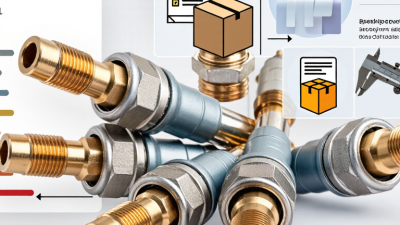
Materials affect both heat control and service life. Stainless steel burner tubes resist repeated heating better than thin painted metal. Brass connection parts usually tolerate frequent coupling, but they still need clean, undamaged threads. NFPA 58, the Liquefied Petroleum Gas Code, emphasizes approved components, leak checks, ventilation, and safe cylinder handling. These are operating requirements, not optional extras.
Match the torch’s heat output to the task. A small burner may suit light soldering, while a larger tip can waste fuel and overheat nearby surfaces. Read the specified propane pressure, fuel consumption, hose length, and cylinder position. Never assume every cylinder works with every torch. The U.S. Bureau of Labor Statistics recorded 5,283 fatal work injuries in 2023; that broad figure does not isolate torch incidents, but it reinforces disciplined work practices. Keep combustible materials away, provide airflow, and use eye and hand protection. A bright flame can mislead. I have seen users focus on speed and overlook a loose fitting. That mistake is easy to repeat. Check it twice.
Compare Portability, Durability, Cost, and Maintenance Needs
Choosing a propane blow torch starts with the job, not the lowest shelf price. A compact torch suits roof repairs, garden work, and emergency maintenance. A longer hose improves reach but adds weight and storage concerns. I prefer a stable handle, a protected valve, and a connector that can be checked without tools. Small details matter.
Durability should reflect heat, dust, and repeated transport. Look for corrosion-resistant metal and a reinforced hose. NFPA 58 emphasizes approved containers, connections, and leak checks for propane systems. That standard should guide your inspection routine.
Do not confuse heavy construction with quality. I once chose a heavier torch and regretted carrying it across a large site.
Operating cost depends on fuel use and local prices. The U.S. Department of Energy lists propane at about 91,333 Btu per gallon, but real consumption varies with flame size and wind. The U.S. Energy Information Administration’s Winter Fuels Outlook also shows strong regional and seasonal price differences. Compare fuel costs over a year, not one purchase.
Maintenance is usually simple: inspect the hose, clean the nozzle, test connections, and store the torch dry. OSHA guidance supports regular equipment inspection, though many users inspect too quickly. That shortcut can backfire. A low-cost torch may become expensive after one damaged hose or clogged tip.